Did You Know That Different Wood Species Interact with Light in Different Ways?
Last updated: 29 Oct 2026 | 3360 Views |

Light does more than simply help us see wood. It reveals the true character of the material.
Whenever light falls on a wooden surface, it brings out the distinctive qualities of each wood species, revealing details that make every piece unique.
Have you ever noticed how some types of wood appear soft and warm under natural light, while others reflect light beautifully, creating a sense of luxury and depth?
These differences are not determined by color alone. They also result from the physical properties of wood, its grain structure, and its surface texture.
The Science Behind Light and Real Wood
1. Wood Density and Grain Structure
The density and cellular structure of wood influence how light interacts with its surface, affecting its overall appearance.
- Hardwoods, such as teak, oak, and walnut, vary in density and grain structure. Depending on the species and finish, their surfaces can reveal crisp grain details and a subtle sheen, making them ideal for refined, sophisticated interiors.
- Woods such as pine and cedar, with their distinctive grain patterns and natural textures, can create a softer visual effect. Ash, although botanically classified as a hardwood, can also offer an open, flowing grain that adds a sense of warmth and natural character.
The way light interacts with wood depends on both its surface and structure. Smooth, polished finishes can create more defined reflections, while textured surfaces tend to scatter light, producing a softer visual effect.
2. Natural Wood Color and Oil Content
Wood color plays an important role in how a space appears under different lighting conditions.
- Dark wood, such as mahogany and walnut, generally absorbs more visible light and reflects less of it than lighter-colored wood. This creates a deeper, more intimate atmosphere, making it an excellent choice for living rooms and bedrooms designed to feel warm and inviting.
- Light wood, such as pine, maple, and ash, generally reflects more visible light, helping interiors feel brighter, more open, and more spacious.
Natural oils and extractives in certain wood species, including teak and cedar, can also influence their appearance. Depending on the wood and its finish, these substances may contribute to a richer sheen and help the timber resist moisture.
3. Wood Surface Texture and Finish
The surface finish has a significant influence on how wood interacts with light, shaping the overall mood of an interior.- Matte Finish: Diffuses reflections to create a soft, understated appearance. Ideal for spaces that emphasize warmth, comfort, and visual calm.
- Gloss Finish: Produces stronger, more defined reflections, adding a sense of luxury and visual drama to spaces such as entrance halls, lounges, and bars.
- Brushed Finish: Enhances the natural grain and texture of real wood. As light moves across the surface, the raised grain creates subtle variations in highlights and shadows that change with the viewing angle.
Light as an Essential Element of Interior Design
When you choose wood with different colors, grain structures, and light-reflecting properties, you are doing more than selecting a material. You are also shaping the atmosphere of your space.
- Rooms featuring light-toned wood in natural finishes feel bright, open, and visually calming.
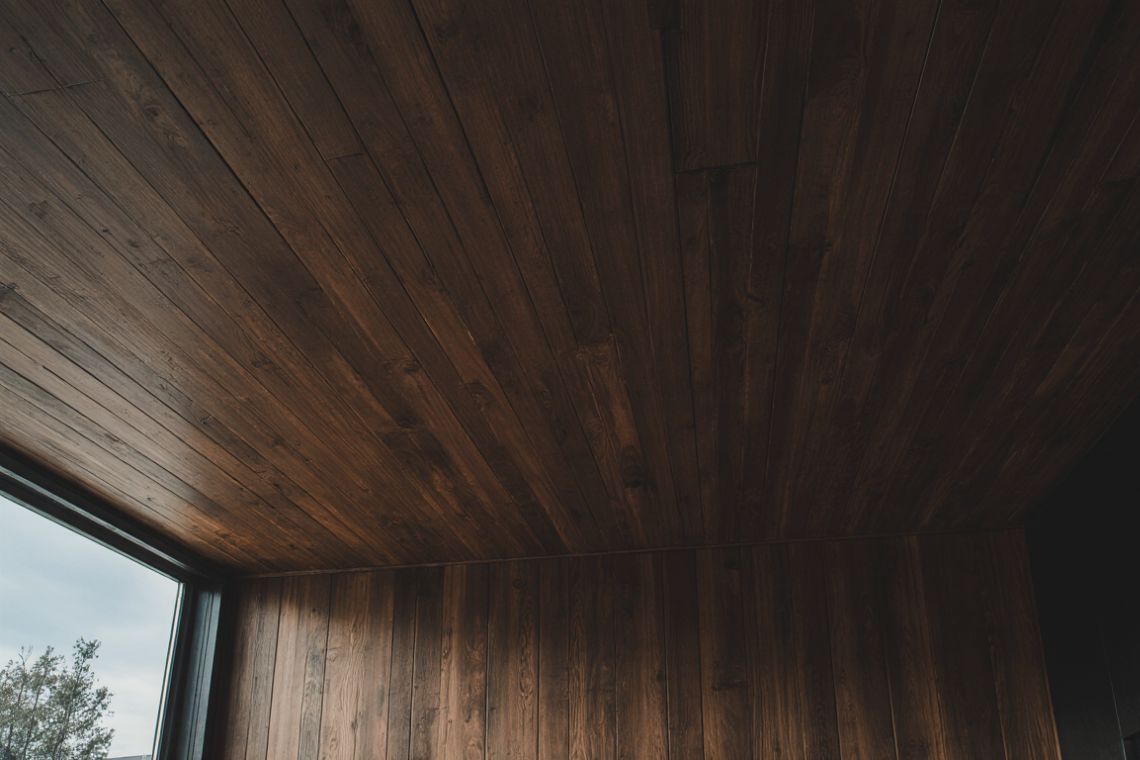
- Interiors with dark wood create a sense of warmth, depth, and understated luxury.
- Matte surfaces encourage a calm, relaxed atmosphere, while glossy finishes introduce more pronounced reflections and visual dimension.
For architects, interior designers, and homeowners, understanding how light interacts with wood goes beyond aesthetics. It is an essential part of creating the mood, character, and experience of every square metre of a home.
Mood & Light: Finding the Right Wood for Your Space
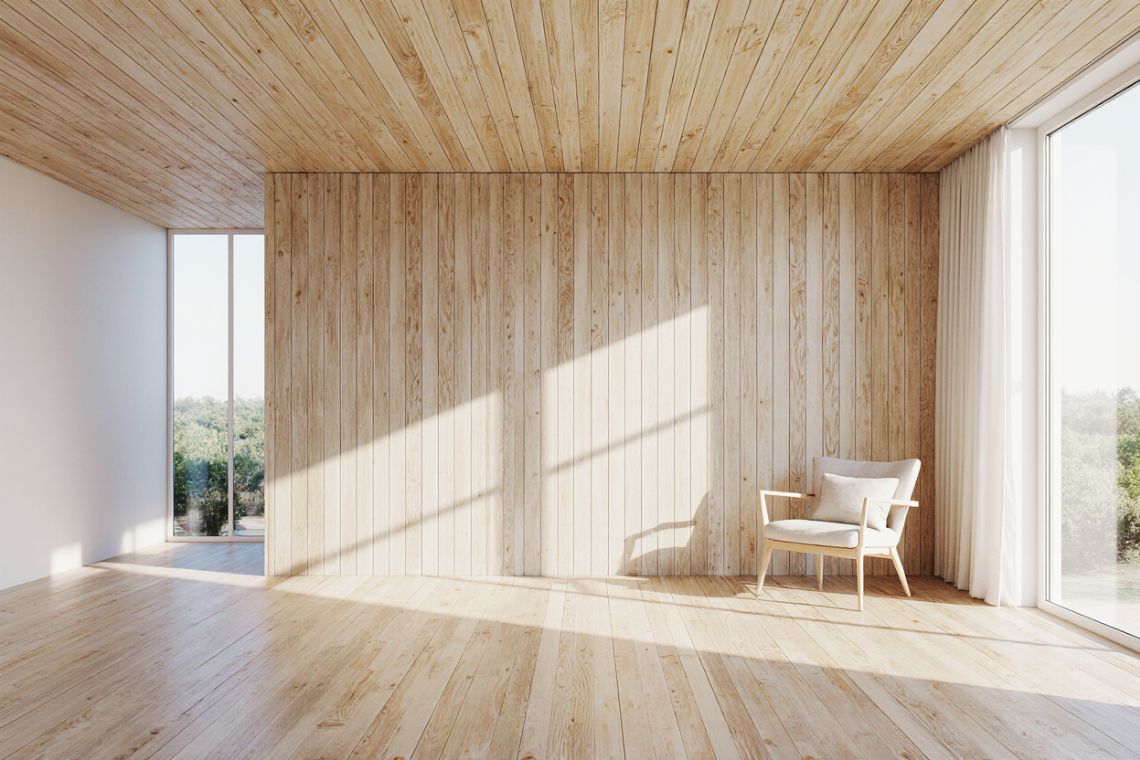
1. Light & Airy Mood: Light Wood Meets Natural Light
- Wood species: Pine, ash, maple
- Characteristics: Light-colored tones and distinctive grain patterns that help create a clean, bright visual effect.
- Atmosphere: Open, airy, and naturally inviting, with a Scandinavian-inspired aesthetic.
- Ideal for: Living rooms, cafés, and home offices where brightness and a welcoming atmosphere are essential.
- Mood inspiration: A room featuring a pine wood ceiling, white walls, and gentle sunlight illuminating the natural wood grain.
2. Cozy & Warm Mood: Mid-Tone Wood with Soft Lighting
- Wood species: Cedar, cherry, Thermo Pine
- Characteristics: Warm, rich tones and natural grain patterns that complement soft, ambient lighting.
- Atmosphere: Cozy, soothing, and relaxing, with a sense of natural comfort.
- Ideal for: Bedrooms, relaxation areas, and resorts designed around comfort and tranquility.
- Mood inspiration: Warm afternoon sunlight falling across a cedar surface, bringing out the wood's natural character while maintaining a peaceful atmosphere.
3. Deep & Elegant Mood: Dark Wood with Refined Light and Shadow
- Wood species: Walnut, dark-toned oak, mahogany
- Characteristics: Rich, deep colors and distinctive grain patterns that create visual depth. The final appearance depends on the wood's surface texture and finish.
- Atmosphere: Sophisticated, dramatic, and luxurious, making it ideal for Modern Luxury and Classic interiors.
- Ideal for: Reception areas, formal living rooms, and feature spaces designed to make a statement.
- Mood inspiration: A room featuring dark wood and warm-toned lighting, with subtle reflections and layered shadows that add depth to the interior.
Conclusion: Choose Wood That Works in Harmony with Light
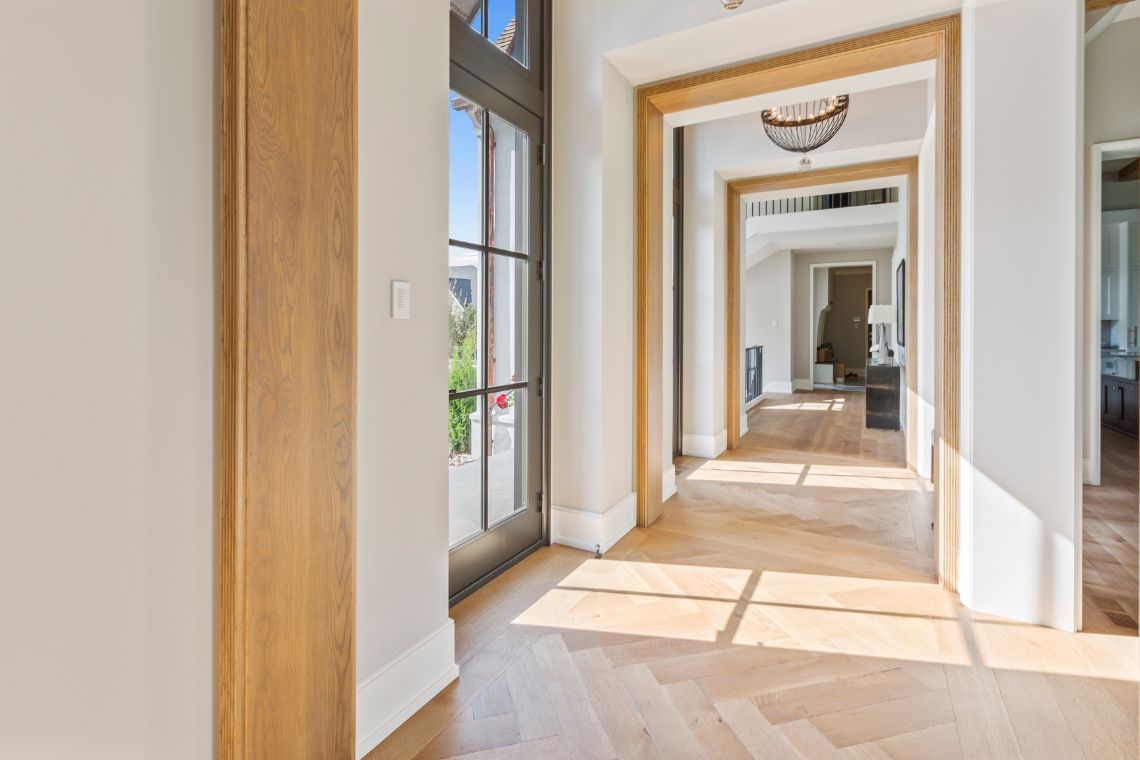
Whether you prefer the warmth of natural materials or the sophistication of modern luxury, understanding how different wood species interact with light is an important step toward creating a beautiful, well-balanced interior.
Real wood offers more than color and grain. Its unique interaction with light can transform the mood and character of a space, creating a living environment that feels different throughout the day.
With the right combination of wood species, surface finishes, and lighting, you can bring out the natural beauty of wood and create an atmosphere that reflects your personal style.
Related content


