Why Does Every Piece of Real Wood Have a Unique Grain Pattern?
Last updated: 29 Oct 2026 | 4341 Views |

Have you ever noticed that even pieces of the same wood species can have completely different grain patterns? This is one of the defining characteristics of real wood—a natural beauty that engineered alternatives cannot fully replicate.
In this article, we explore why every piece of real wood has its own distinctive grain pattern, along with practical tips for choosing the right wood for your home interior and design projects.

Wood Grain Patterns and Growth Rings
Every year, as a tree grows, it forms new growth rings within its trunk. The grain patterns we see in timber are like a record of the tree's life, reflecting how it grew over time.
Fast-Growing Trees: Wider Grain Patterns
Fast-growing trees tend to develop wider growth rings, resulting in broader, more open grain patterns and lighter visual tones.
Examples of fast-growing wood species include:
- Pine: Features prominent, widely spaced grain patterns in light to medium tones. Commonly used for wood ceilings, wall cladding, and furniture.
- Beech: Often displays gently curved grain patterns with relatively wide growth rings, making it suitable for furniture and interior wood flooring.
- Poplar: Known for its relatively subtle grain, with visible growth rings. Suitable for interior applications and decorative wood panels.
Slow-Growing Trees: Tighter Grain Patterns
Slow-growing trees tend to develop narrower, more closely spaced growth rings, often creating a tighter grain appearance and a rich, refined aesthetic.
Examples of wood species associated with these characteristics include:
- Oak: Features distinctive grain patterns and rich tonal variations, making it a popular choice for wood flooring and premium furniture.
- Teak: Known for its golden-brown tones and attractive grain, making it suitable for outdoor applications, furniture, and decking.
- Hickory: Features pronounced grain patterns and excellent strength, making it a popular choice for high-quality flooring and furniture.

Environmental Factors
Every tree grows in a different environment, influenced by factors such as sunlight, rainfall, soil conditions, and climate. These environmental differences affect how a tree develops and contribute to the unique appearance of its wood.
- Trees growing in dry conditions or competing with nearby trees for resources may grow more slowly than those in favorable, moisture-rich environments.
- Changes in growing conditions can create variations in light and dark tones throughout the growth rings.
- These natural variations help explain why no two pieces of real wood have exactly the same grain pattern.

Wood Knots
Wood knots form where branches once grew from the tree trunk. They are natural features that add character and individuality to each piece of timber.
- Knots appear as rounded areas in the wood, with their size and shape depending on the original branch.
- Every piece of wood has its own knot patterns, adding distinctive character and an authentic, natural aesthetic to interior and architectural designs.
Physical Factors That Affect Wood Grain Appearance
Beyond the tree's growth and environment, physical characteristics and processing methods also influence the appearance of real wood.
- Wood Density and Moisture Content: Differences in moisture content can cause wood to shrink or expand, affecting its dimensions and how its grain appears.
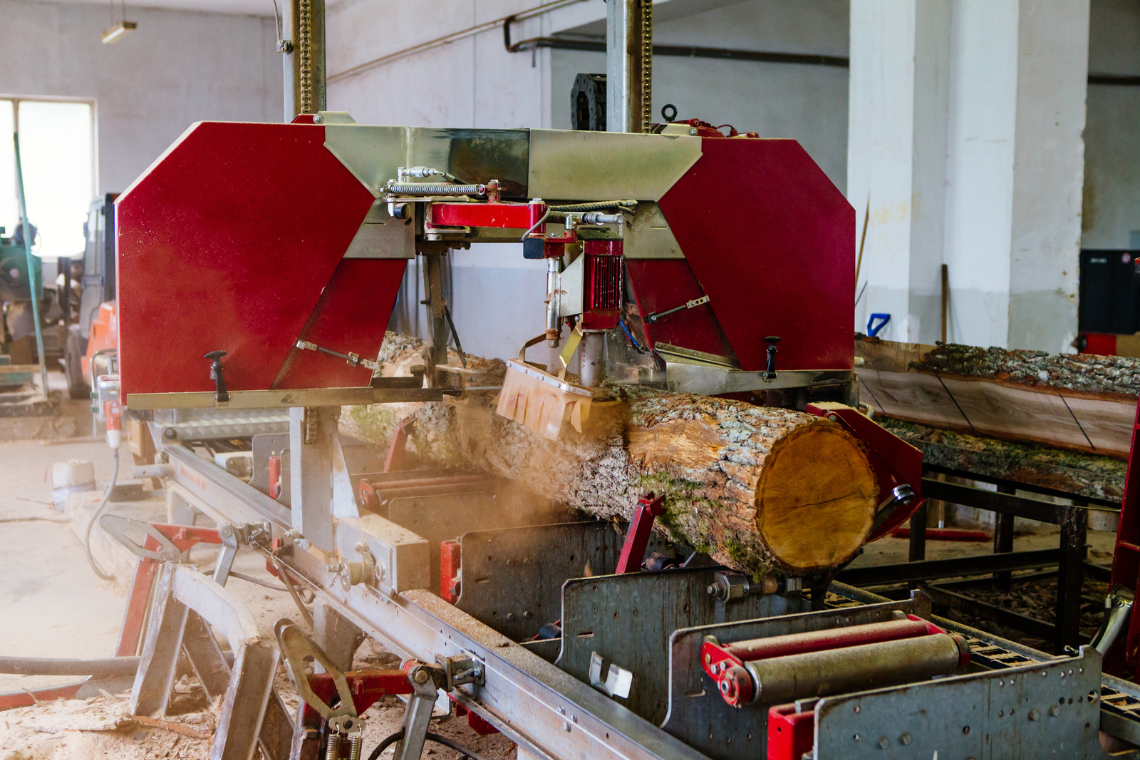
- Sawing Direction: The way timber is cut from the log determines the grain pattern and overall visual effect.
Three common sawing methods include:
- Plain Sawn / Flat Sawn: Produces attractive, sweeping grain patterns that create a classic, natural look.
- Quarter Sawn: Creates relatively straight grain lines with a distinctive, refined appearance.
- Rift Sawn: Produces consistent, straight grain patterns that work particularly well in modern and minimalist designs.
Choosing the right sawing method helps achieve the desired grain pattern and ensures the wood complements your overall design concept.
Conclusion
Every piece of real wood tells the story of the tree it came from. Its unique grain pattern is shaped by several key factors:
- Growth rings and the tree's growth rate.
- Environmental conditions surrounding the tree.
- Wood knots formed by branches.
- Wood density, moisture content, and sawing direction.
Together, these natural characteristics give every piece of real wood its own identity—an authentic beauty that synthetic alternatives cannot fully reproduce.
Ready to Bring the Natural Beauty of Real Wood into Your Home?
Not sure where to start? Contact our team for expert advice and explore real wood samples to find the right material for your home or design project.
Connect with The Urban Wood on LINE at @urbanwood. Our team will help you choose the wood species and style that best suit your space and design vision.
Related content


