A Guide to Wood Finishes: Types, Benefits, and How to Choose
Last updated: 29 Oct 2026 | 8576 Views |

Choosing the right wood finish is about more than appearance. It helps protect wood, improve durability, and extend its service life. Sunlight, rain, humidity, and everyday wear all affect which finish is best for each application.
In this guide, discover five common types of wood finishes and learn how to choose the right one for your project.
Types of Wood Finishes
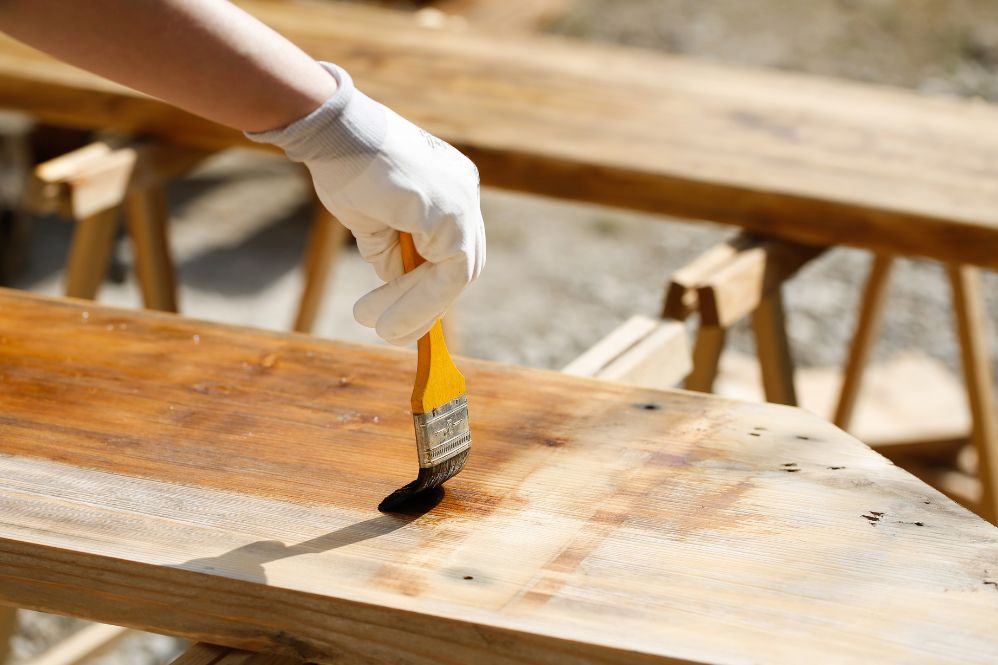
1. Wood Stain
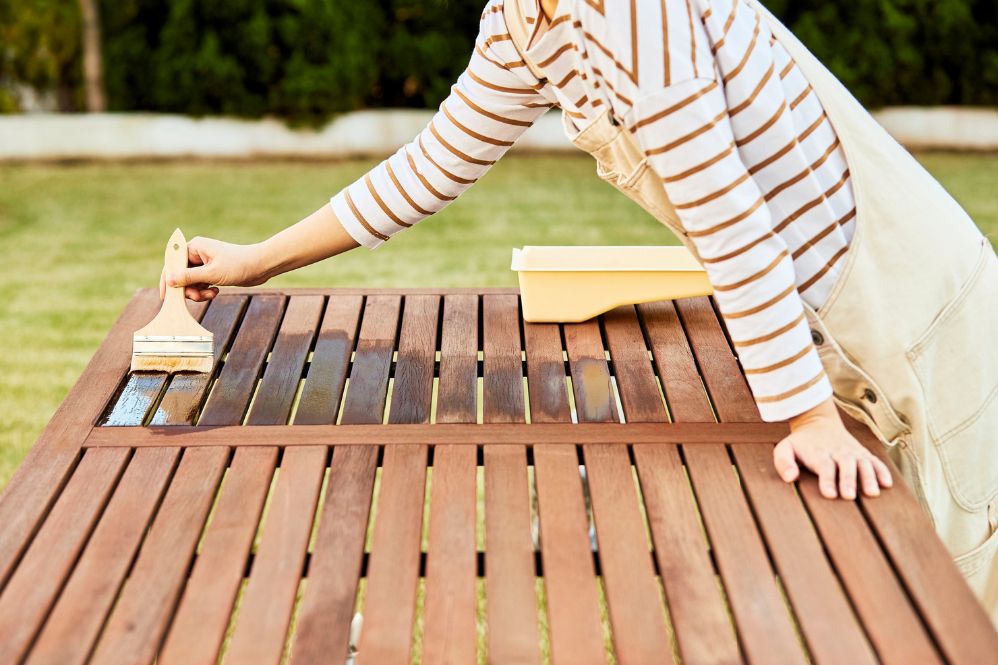
Wood stain adds color while allowing the natural wood grain to remain visible. It is available in water-based and oil-based formulations.
Advantages
- Enhances the natural grain with a transparent or semi-transparent finish.
- Some oil-based formulations offer deep penetration and good moisture resistance.
Considerations
- May require a protective topcoat for improved scratch resistance.
- Oil-based products may contain higher levels of VOCs and produce stronger odors.
Best for: Decks, timber walls, ceilings, and solid wood furniture where the natural grain is a key feature.
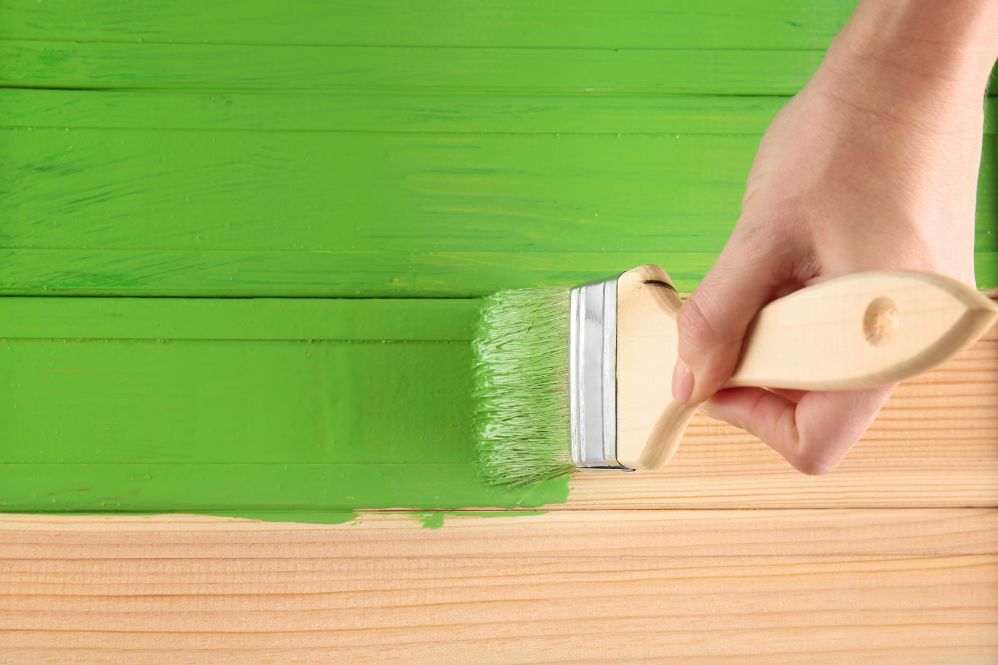
2. Opaque Wood Paint
Opaque paint covers the wood grain with a solid, uniform color. It is commonly available in two formulations:
- Oil-Based / Alkyd Paint: Offers a durable finish but generally dries more slowly and may contain higher levels of VOCs.
- Water-Based / Acrylic Paint: Usually dries faster, has a milder odor, and is easier to clean up.
Advantages: Provides strong color coverage and a consistent appearance.
Considerations: Durability and weather resistance depend on the formulation. Choose a product specifically designed for the intended environment.
Best for: Wooden fences, doors, and decorative woodwork where a solid color is desired.
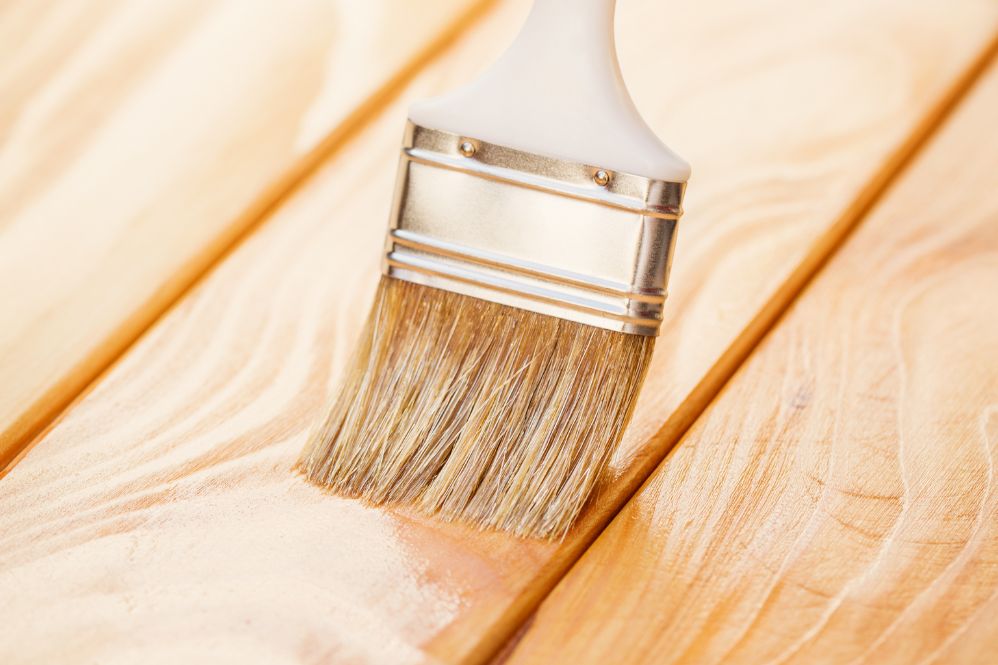
3. Clear Wood Coatings
Clear coatings form a protective film while allowing the wood grain to show through. They are available in glossy, satin, and matte finishes.
Common types
- Varnish / Spar Varnish: Exterior-grade products can offer protection against moisture and UV exposure.
- Oil-Based Polyurethane (PU): Provides a hard, durable surface but may have higher VOC content and develop an amber tone over time.
- Water-Based Polyurethane: Generally dries quickly, has a milder odor, and maintains a clearer appearance.
- Lacquer / Shellac: Fast-drying finishes commonly used for interior furniture and decorative woodwork.
Advantages: Helps protect against scratches, moisture, and everyday wear while enhancing the wood's appearance.
Considerations: Not every coating is suitable for outdoor use. Select a product based on exposure conditions and maintenance requirements.
Best for: Interior wood flooring, furniture, built-in cabinetry, and decorative wood surfaces.
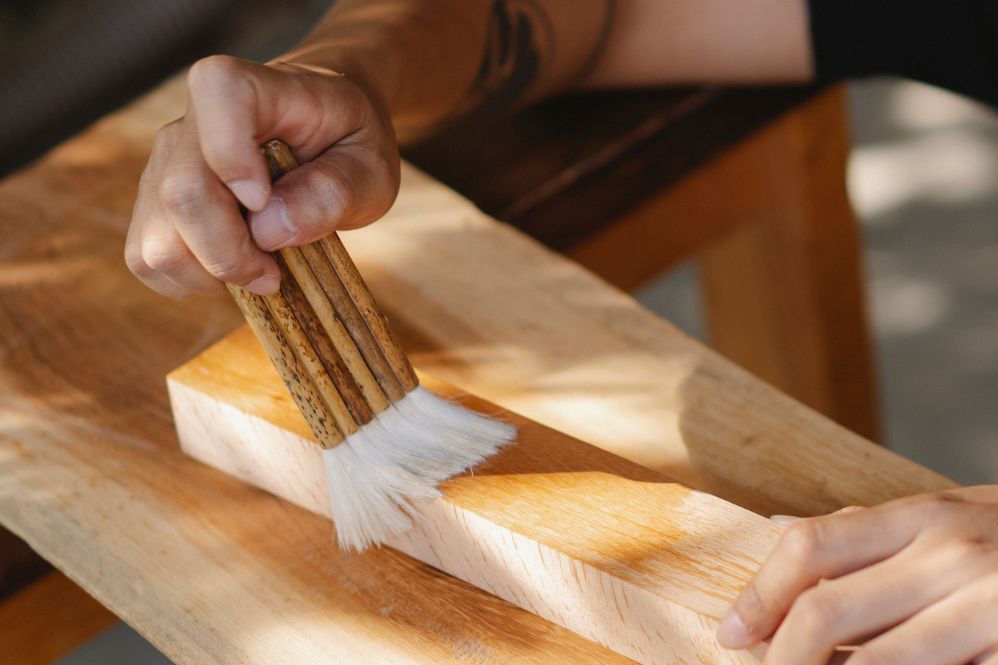
4. Wood Oils
Wood oils penetrate the surface to enhance the natural grain and create a more natural-looking finish without a thick surface film.
Advantages
- Preserves the natural appearance and feel of wood.
- Often allows straightforward maintenance and localized repairs.
- Does not typically peel like a thick film-forming coating.
Considerations
- Generally offers less scratch and UV protection than some film-forming finishes.
- Requires periodic reapplication, particularly outdoors.
Best for: Wood furniture and timber surfaces where a natural finish is preferred, including teak and oak, when the oil is suitable for the application.
Environmental note: Some oils contain plant-derived ingredients, such as linseed oil. However, environmental impact and safety depend on the complete formulation.
5. Wood Primers and Sealers
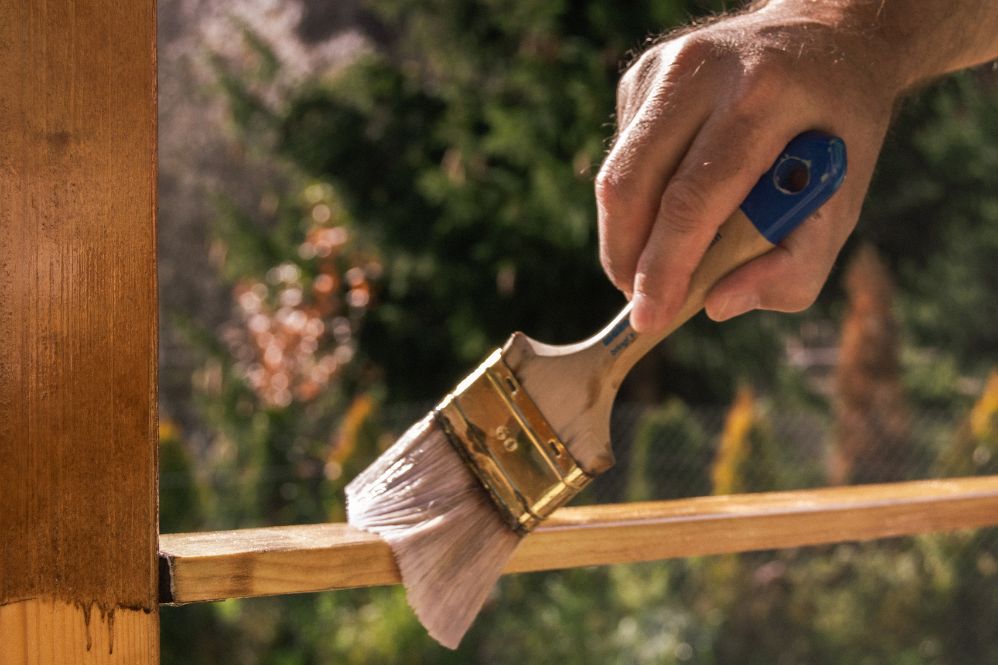
Primers and sealers prepare the wood surface before the main finish is applied. They help regulate absorption, improve adhesion, and reduce uneven coloration.
Advantages
- Helps create a more consistent surface.
- Some formulations block tannins, resin, and other wood extractives that may cause discoloration.
- Supports the performance of compatible topcoats.
Considerations: Primers and sealers are generally preparatory products, not complete decorative finishes. They must be compatible with the paint or coating applied over them.
Best for: New wood, surfaces prone to discoloration, and projects requiring additional preparation before painting or coating.
How to Choose the Right Wood Finish
The right finish depends on the wood's location, exposure, and intended appearance.
- Outdoor wood: Choose exterior-grade stains, paints, or wood oils formulated to withstand sunlight, rain, and humidity.
- Indoor wood: Water-based stains, clear coatings, and interior paints are common options, depending on the desired appearance and level of protection.
- Wood flooring and furniture: Consider polyurethane, suitable lacquer, or wood oils designed for the expected level of wear and maintenance.
- Natural wood grain: Choose wood stain or wood oil to enhance the grain and preserve a natural look.
Always check the manufacturer's recommendations to ensure the finish is suitable for the wood species and intended application.

What Are VOCs?
VOCs, or Volatile Organic Compounds, are chemicals that readily evaporate into the air at room temperature. In wood paints and coatings, they often come from solvents used during application and film formation.
Some VOCs can affect indoor air quality and contribute to air pollution. For indoor projects, consider products with lower VOC content and ensure adequate ventilation during application.
Wood Finishes and the Environment
The environmental impact of a wood finish depends on its ingredients, manufacturing, application, and disposal.
- High-VOC products: May release compounds that affect indoor air quality and contribute to air pollution.
- Water-based finishes: Generally have lower VOC emissions than conventional solvent-based alternatives, although formulations vary.
- Natural oils: Plant-derived ingredients may be an alternative for some applications, but natural does not automatically mean non-toxic or biodegradable.
Check product specifications and safety instructions before use, and choose a finish that balances durability, maintenance, and environmental considerations.
Choose the Right Finish for Long-Lasting Wood
The best wood finish is not simply the color you like. It is the one that suits the wood's properties, the environment, and the way the surface will be used.
With the right finish and proper maintenance, you can preserve the natural beauty of wood while improving its protection and service life. Whenever possible, consider lower-VOC products suited to your project for a more thoughtful approach to wood care.


