Is Real Wood Truly a Carbon-Negative Material?
Last updated: 29 Oct 2026 | 5165 Views |
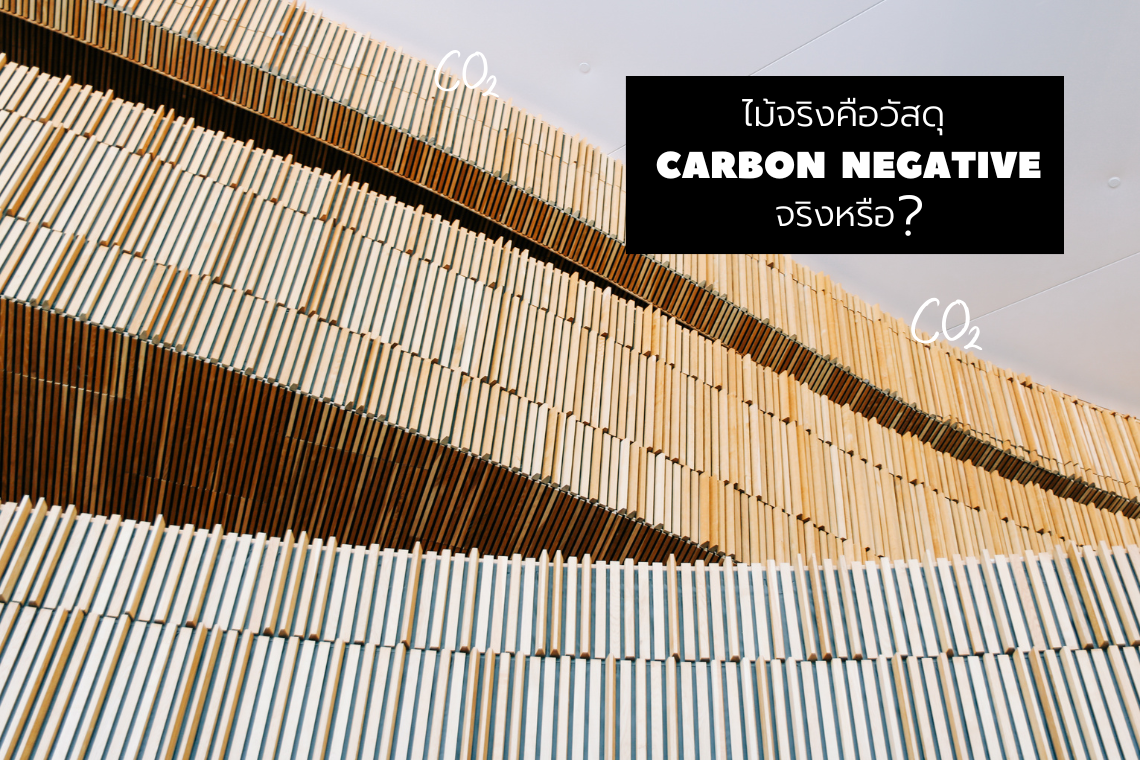
As the design and construction industries place greater emphasis on environmental responsibility, real wood has become an increasingly popular material. Its natural beauty, versatility, and functional qualities make it suitable for a wide range of applications. But one of its most compelling environmental benefits is its potential to be carbon negative—meaning that more carbon dioxide is removed from the atmosphere than is emitted throughout a product’s life cycle.
So, is real wood truly carbon negative? The answer is: it can be, under the right conditions.
First, What Does Carbon Negative Mean?
Carbon negative describes a product, process, or activity that removes more carbon dioxide (CO₂) from the atmosphere than it releases over a defined period or life cycle.
It is different from:
- Carbon Neutral: Net carbon emissions are balanced by carbon removals or verified offsets.
- Carbon Positive: More carbon is emitted than removed, resulting in net positive emissions.
In simple terms, carbon negative means achieving a net reduction in atmospheric CO₂. It is an important goal for industries working to reduce their contribution to climate change.

Why Does Real Wood Have the Potential to Be Carbon Negative?
1. Trees Absorb Carbon Dioxide as They Grow
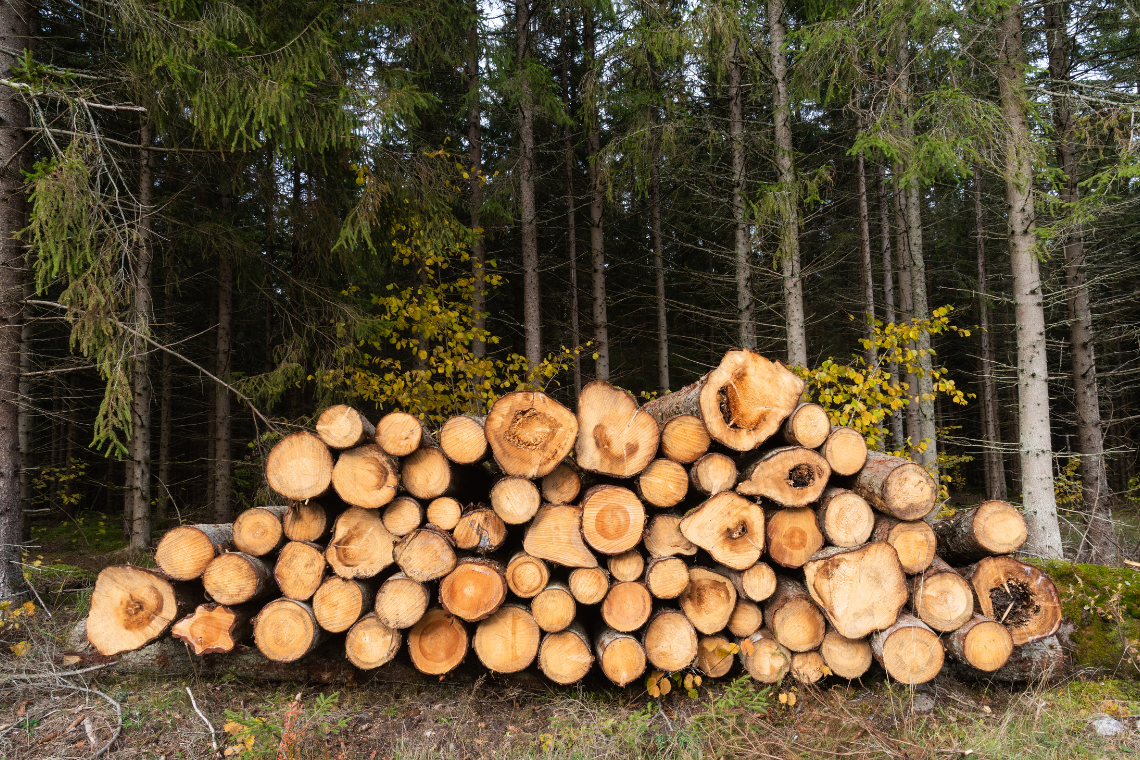
Trees absorb CO₂ from the atmosphere through photosynthesis and store the carbon in their trunks, branches, roots, and other tissues.
The carbon remains in the wood after harvesting, provided the material is used in a way that prevents or delays its release. One cubic metre of wood is often estimated to store approximately one tonne of CO₂ equivalent, although the actual amount varies depending on the wood species, density, moisture content, and calculation method.
2. Carbon Remains Stored When Wood Becomes a Building Material
When wood is processed into flooring, wall cladding, ceiling panels, or furniture, much of the carbon stored in the wood remains within the finished product. It is not immediately released into the atmosphere simply because the wood has been cut or shaped.
How does this work?
2.1 Photosynthesis stores carbon in wood
While a tree is growing, it absorbs CO₂ and converts carbon into organic compounds, including cellulose and lignin, which form the structure of the wood. In this way, wood acts as a natural carbon storage material.
2.2 Processing wood does not automatically release its stored carbon
When timber is sawn, dried, or made into flooring, ceilings, or furniture, most of its stored carbon remains in the material. If the wood is used in buildings or long-lasting products, that carbon can remain stored for decades or even centuries, depending on the application and maintenance.
2.3 When is the stored carbon released?
Carbon may return to the atmosphere when wood is burned or decomposes. The amount and form of emissions depend on the conditions. For example, decomposition can release CO₂ and, under oxygen-limited conditions, methane.
2.4 Why does this matter?
Using wood in construction and interior design can extend the period during which carbon remains stored in a material. However, the overall climate benefit also depends on forest regeneration, sourcing practices, manufacturing, transportation, product lifespan, and end-of-life treatment.

3. Wood Can Require Less Energy to Process
Compared with many conventional building materials, wood products can require less energy to manufacture, particularly when they involve relatively simple processes such as sawing, drying, and surface finishing.
Why can wood processing be less energy-intensive?
3.1 A naturally formed structural material
Wood already has a natural structure that makes it useful for construction and design. Unlike steel, which requires energy-intensive production and shaping, wood does not need to be melted or formed at extremely high temperatures to become a usable material.
3.2 Relatively straightforward processing
Common timber-processing methods include cutting, sawing, drying, and sanding. Depending on the product and production method, these processes can require less energy than manufacturing some alternative materials.
3.3. Wood residues can sometimes be recovered for energy
Wood offcuts and sawdust may be used to produce biomass energy or incorporated into other wood-based products. This can help reduce waste and make better use of available resources, although the environmental benefits depend on the energy source, processing method, and emissions involved.
Overall, wood can offer a lower-carbon alternative when its sourcing, processing, and transportation are managed efficiently.
4. Wood Can Be Reused and Recycled
Wood products can often be reused, refurbished, or repurposed after their initial service life. For example, reclaimed timber can become furniture, decorative features, or other interior elements. Certain wood residues may also be processed into new products or used for biomass energy.
Extending the useful life of wood can help reduce material waste and delay the release of stored carbon. Reuse and recycling options depend on the wood’s condition, treatments, coatings, and intended application.
Is Real Wood Always Carbon Negative?
Not necessarily. The environmental performance of wood depends on several important factors:
- Responsible sourcing: Wood should come from responsibly managed forests where harvesting is balanced with forest regeneration and long-term ecosystem health.
- Efficient manufacturing and transportation: Energy use, processing methods, transportation distances, and waste management all affect a product’s carbon footprint.
- Long-term use: Wood used in durable buildings, flooring, and interior applications can store carbon for extended periods.
- End-of-life management: Reuse, recycling, and disposal methods influence when and how stored carbon returns to the atmosphere.
A full life-cycle assessment is needed to determine whether a particular wood product is genuinely carbon negative. The assessment should account for both the carbon stored in the wood and the emissions generated throughout its life cycle.
The Bottom Line: Real Wood Can Be a Carbon-Friendly Choice
Even when a wood product cannot be classified as carbon negative, responsibly sourced wood can still offer a lower-carbon option compared with certain conventional building materials.
Its ability to store biogenic carbon, its potential for relatively energy-efficient processing, and its opportunities for reuse make real wood a valuable material to consider in more sustainable architecture and interior design.
Choosing real wood is therefore about more than aesthetics. With responsible sourcing, thoughtful design, and a long service life, it can be part of a more resource-conscious approach to creating spaces that are beautiful, functional, and better aligned with environmental goals.
Choose real wood. Design with purpose. Build for a more sustainable future.


