How Does Wood Help Keep Your Home Cool?
Last updated: 4 Nov 2026 | 5913 Views |
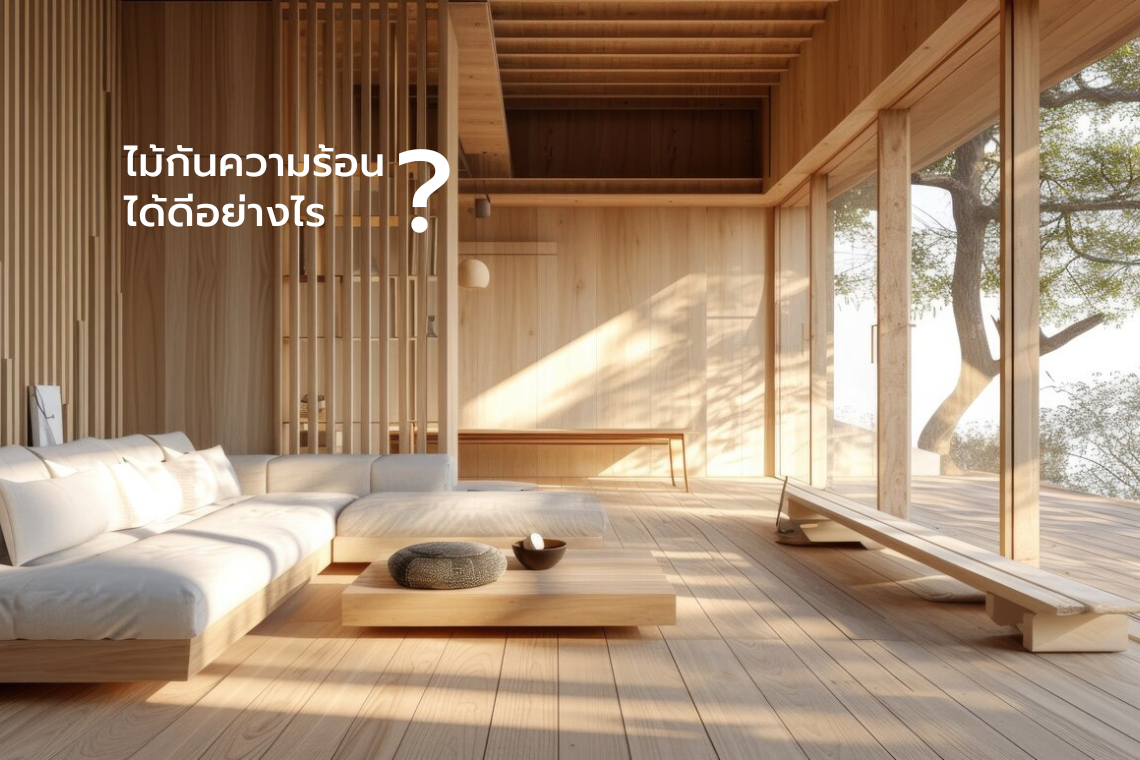
Wood has been used in construction and interior design for centuries. Beyond its natural beauty and timeless appeal, it also offers a valuable functional benefit: natural thermal insulation.
Wood generally has a relatively low thermal conductivity compared with materials such as metal and concrete. This means it slows the transfer of heat through the material, helping reduce heat flow between indoor and outdoor spaces. As a result, wood can be a suitable material choice for homes in hot climates like Thailand.
Let's explore seven ways wood can contribute to a more comfortable indoor environment.
1. Wood's Internal Structure Helps Reduce Heat Transfer
- Wood is primarily composed of cellulose and lignin, which form its fibrous cellular structure and contribute to its ability to resist heat transfer.
- Its internal structure contains numerous tiny air pockets that help slow the movement of heat through the material.
Air is a good thermal insulator. This is why materials containing trapped air, such as wood and foam, can provide better insulation than highly conductive materials like metal.
2. Wood Has Lower Thermal Conductivity Than Many Other Materials
Wood is a natural thermal insulator with a relatively low thermal conductivity (k-value). Its average thermal conductivity is approximately 0.12–0.16 W/m·K, compared with around 1.4 W/m·K for concrete and 50 W/m·K for steel. Actual values vary depending on factors such as wood species, density, and moisture content.
Because heat travels through wood more slowly than through concrete or steel, wood can help reduce heat transfer through building elements.
In general, the lower a material's k-value, the better its ability to resist heat conduction. This makes wood a useful material for improving the thermal performance of a building.
3. Wood Has a Lower Thermal Mass
- Thermal Mass refers to a material's ability to absorb, store, and release heat.
- Concrete and brick generally have a higher thermal mass. They can absorb significant amounts of heat during the day and gradually release it later, potentially keeping indoor spaces warm even after sunset.
- Wood generally has a lower thermal mass than concrete and brick, meaning it stores less heat and typically responds more quickly to changes in temperature.
This can help wood surfaces feel more comfortable and reduce the amount of heat stored in certain building elements. However, the overall indoor temperature also depends on insulation, ventilation, building design, and exposure to sunlight.

4. Wood Helps Moderate Indoor Humidity
Wood is hygroscopic, meaning it can absorb and release moisture in response to changes in the surrounding environment.
This natural moisture exchange can help moderate fluctuations in indoor humidity when wood is used in interior spaces. Maintaining a comfortable humidity level can contribute to a more pleasant living environment and reduce the feeling of stuffiness.
5. Wood Can Support Better Ventilation Through Thoughtful Design
Wood itself does not automatically improve airflow, but it offers great flexibility in architectural design.
For example, incorporating wooden elements with ventilation openings — such as slatted timber walls, screens, or large wooden-framed windows — can encourage air circulation when designed and positioned appropriately.
Good ventilation helps remove warm indoor air and reduce heat buildup, making living spaces more comfortable and potentially reducing reliance on air conditioning.
6. Wood Creates a Psychological Sense of Coolness and Comfort
Beyond its physical properties, wood also influences how we experience a space.
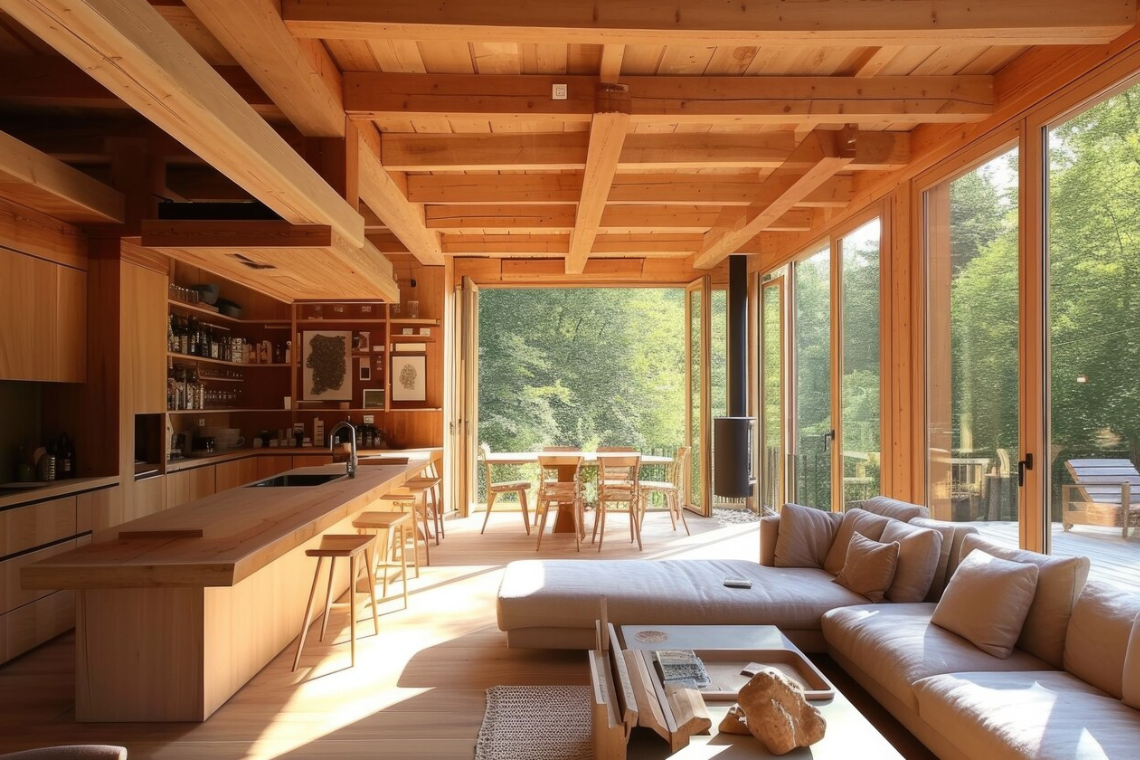
Its natural colors, textures, and grain patterns create a sense of calm and connection with nature. Compared with the harder visual character of concrete or metal, wood can make interiors feel softer, more welcoming, and more relaxing.
This natural aesthetic can contribute to the perception of a cooler and more comfortable home, even though it does not directly lower the room temperature.
7. Combining Wood with Thermal Insulation
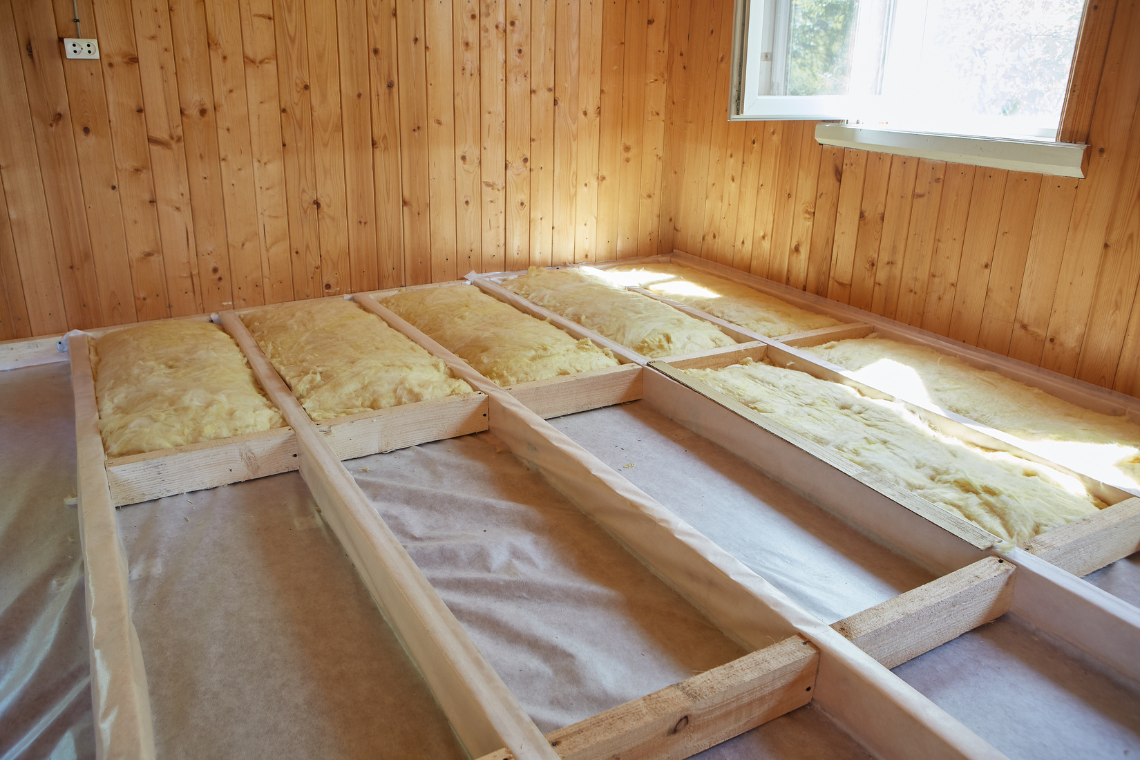
Although wood has natural insulating properties, combining it with dedicated insulation materials can further improve a building's thermal performance.
Options include:
- PU Foam: A lightweight insulation material commonly used to reduce heat transfer through roofs and walls.
- Fiberglass Insulation: A widely used insulation material that helps limit heat flow through building assemblies.
- Cross-Laminated Timber (CLT): An engineered timber product made by bonding layers of wood at right angles. When incorporated into a properly designed building envelope with suitable insulation, it can contribute to overall thermal performance.
Combining wood with appropriate insulation and building design can help create a more comfortable indoor environment, particularly in hot climates.
Wood is an excellent material to consider when designing a home for a warmer climate. Its naturally low thermal conductivity, moisture-buffering properties, and versatility in architectural design can all contribute to indoor comfort.
While wood alone cannot guarantee a cooler home, choosing the right materials and combining them with effective insulation, shading, and ventilation can make a meaningful difference.
If you are looking for natural materials that bring together beauty, functionality, and comfort, wood is a timeless choice worth considering.
Related content


How Do Green Buildings Help Protect the Planet?
16 Oct 2024
