How Do Green Buildings Help Protect the Planet?
Last updated: 6 Nov 2026 | 3985 Views |
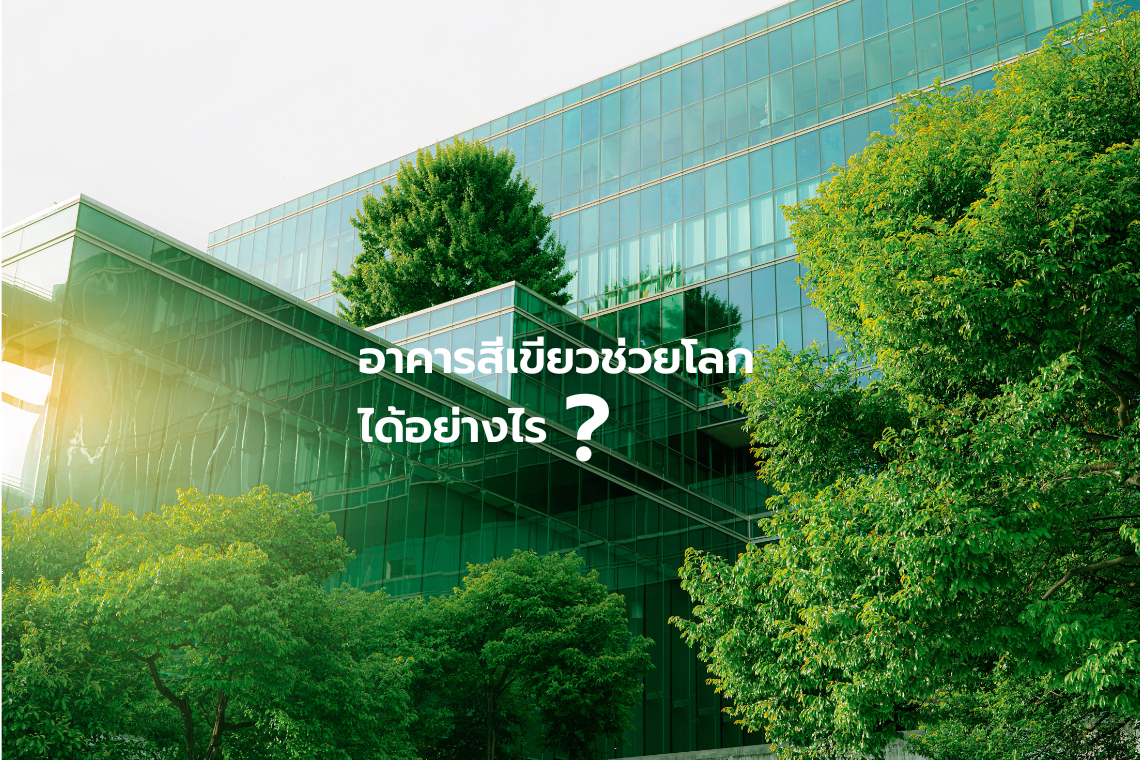
As environmental concerns continue to grow, green buildings have become an important way to reduce environmental impact and promote a more sustainable future. By using energy and natural resources efficiently, green buildings help protect the environment while creating healthier spaces for occupants and surrounding communities.
What Is a Green Building?
A green building is designed and constructed to minimize its environmental impact while using resources responsibly. Its key principles include reducing energy consumption, managing water efficiently, selecting environmentally responsible building materials, and creating healthier indoor environments.
Green Building Standards
Several internationally recognized standards assess and certify the sustainability and environmental performance of buildings. Here are four notable examples:
1. LEED (Leadership in Energy and Environmental Design)
Developed by the U.S. Green Building Council (USGBC), LEED is a widely recognized green building certification system. It promotes energy efficiency and environmentally responsible design, with four certification levels: Certified, Silver, Gold, and Platinum.
Its assessment covers areas such as:
- Sustainable site development
- Energy and atmosphere
- Materials and resources
- Indoor environmental quality
- Innovation in design
2. WELL Building Standard
WELL focuses on building design that supports the health and well-being of occupants. It evaluates factors such as air and water quality, lighting, physical activity, and mental well-being.
3. TREES (Thai’s Rating of Energy and Environmental Sustainability)
Developed by the Thai Green Building Institute (TGBI), TREES is Thailand’s green building assessment system. It evaluates energy and environmental sustainability and offers four certification levels: Certified, Silver, Gold, and Platinum.
4. Fitwel Building Certification System
Fitwel promotes healthier buildings and communities through design and operational strategies. Its assessment considers factors such as access to green spaces, walkability, cycling facilities, and indoor air quality.
Key Features of Green Buildings
- Energy Efficiency: Green buildings incorporate technologies that reduce energy consumption, such as LED lighting, efficient ventilation systems, and renewable energy sources like solar and wind power.
- Sustainable Water Management: Rainwater harvesting and water recycling systems help reduce demand on natural water resources.
- Environmentally Responsible Materials: Materials may include responsibly sourced certified timber, recycled products, and other materials with lower environmental impacts.
- Green Spaces: Rooftop gardens and vertical greenery enhance the appearance of buildings while helping moderate local temperatures and improve surrounding air quality.
- Reduced Greenhouse Gas Emissions: Energy-efficient systems and lower-impact construction materials can help reduce greenhouse gas emissions and contribute to climate change mitigation.
Examples of Green Building Projects
Green building projects around the world demonstrate how thoughtful design and technology can help reduce environmental impact and support sustainability:
1. CPF and SCG Projects in Thailand
CPF and SCG have collaborated on green building projects across three provinces in Thailand, including:
- Sisaket Swine Slaughterhouse and Processing Plant
- Samut Prakan Aquaculture Laboratory and Business Office
- Saraburi Pet Food Manufacturing Plant
These projects focus on improving energy efficiency and reducing greenhouse gas emissions while creating healthier environments for building occupants.
2. Council House 2 (CH2), Australia
This office building received a 6 Star Green Star rating from the Green Building Council of Australia. Its design responds to local climate and environmental conditions through features such as natural lighting, natural ventilation, and renewable energy systems.
3. Taipei 101, Taiwan
Taipei 101 underwent energy-efficiency improvements using building automation and advanced technologies. These include non-reflective double Low-E glass to help reduce heat transfer and motion sensors that control lighting and conserve energy.
4. Green Buildings in Thailand
Thailand is home to many buildings that have received green building certifications. These include offices and industrial facilities designed with environmentally responsible materials and efficient energy and water management systems.
Building a More Sustainable Future
Green buildings do more than reduce environmental impact. They create healthier spaces for occupants and surrounding communities through efficient energy use, sustainable water management, responsible material selection, and green spaces.
They can also offer long-term benefits, including lower operating costs, increased property value, and a stronger corporate image.
Ultimately, investing in green buildings is an important step toward a more sustainable future—one that balances environmental responsibility, quality of life, and long-term value.
Related content


