Why Do Termites Eat Wood?
Last updated: 6 Nov 2026 | 5922 Views |
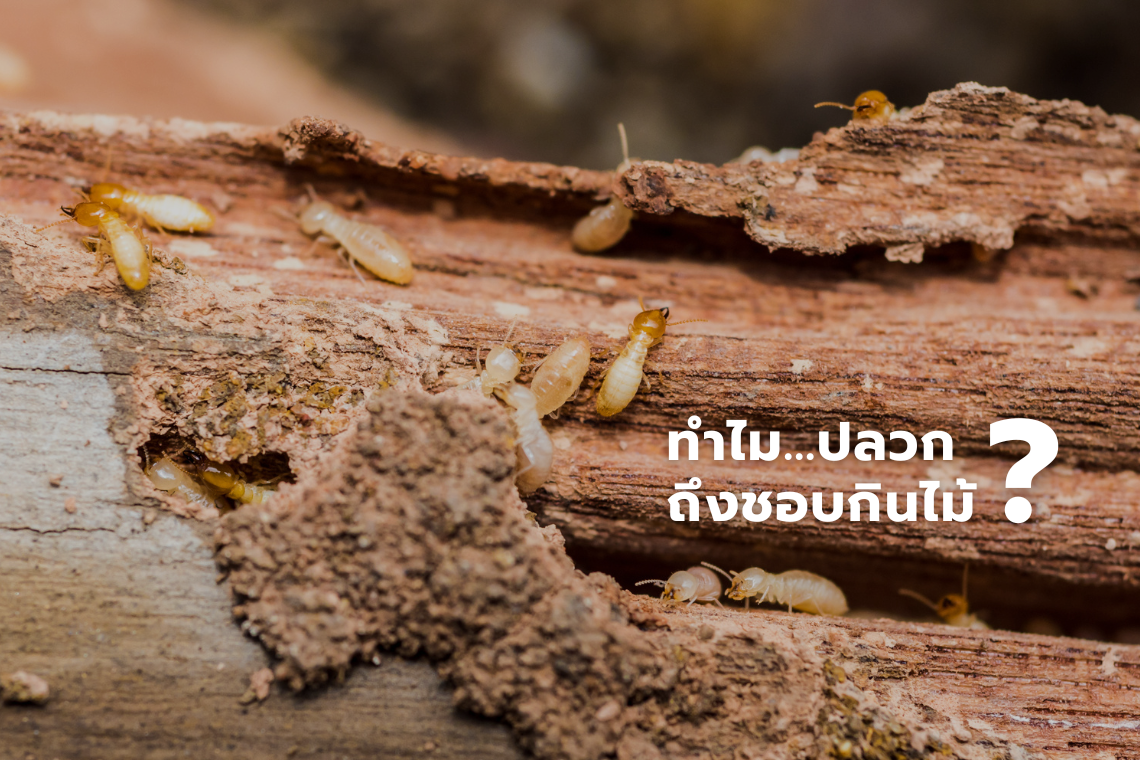
Termites are well-known pests that can cause serious damage to homes and wooden structures. But have you ever wondered why termites eat wood in the first place? Understanding their feeding habits not only helps us learn more about these insects but also makes it easier to find effective ways to prevent and manage termite infestations.
In this article, we’ll explore why termites feed on wood and how to protect wooden materials and structures from termite damage.
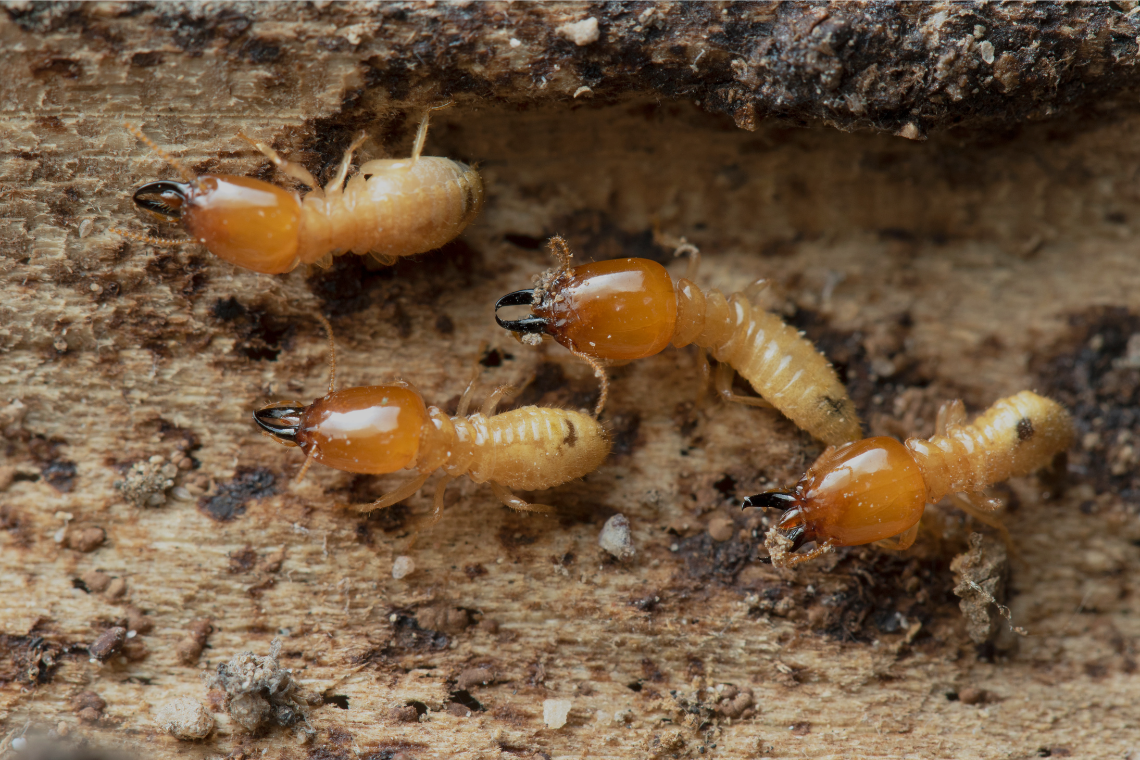
What Are Termites?
Termites are social insects that resemble ants but differ in their feeding habits and colony structure. There are several types of termites, but the two commonly found in homes are subterranean termites and drywood termites.
Termites live in underground colonies or inside wood, depending on the species. They work together in organized colonies, with each group having a specific role:
- King and Queen: Responsible for reproduction and colony growth.
- Soldier Termites: Protect the colony from threats.
- Worker Termites: Gather food, build and maintain the nest, and care for other colony members.
One of the main reasons termites can eat wood is their ability to digest cellulose. Microorganisms living in their digestive systems help break down cellulose, the primary structural component of wood. These microorganisms produce enzymes that convert cellulose into simpler sugars, which termites can use as an energy source.
Why Do Termites Eat Wood?
Termites feed on wood because it contains cellulose, a carbohydrate that provides energy. With the help of microorganisms and protozoa in their digestive systems, termites can break down cellulose into sugars that their bodies can absorb and use for energy.
What Is Cellulose?
Cellulose is a natural compound found in the cell walls of plants, including trees, grass and other vegetation. It is a polysaccharide made up of long chains of glucose molecules, giving plant materials their structural strength and rigidity.
Because cellulose is a primary food source for termites, they feed on wood and other cellulose-containing materials, such as wooden furniture, timber structures and paper.
In nature, termites play an important ecological role by breaking down dead wood and plant matter, helping recycle nutrients back into the ecosystem. However, when they invade homes and buildings, their feeding habits can cause significant damage to wooden structures and materials.
How to Protect Wood from Termites
1. Choose Termite-Resistant Wood
Choose naturally durable hardwoods or wood that has been treated with termite preservatives. Certain species, such as teak and redwood, offer natural resistance to termites, while treated wood provides an additional layer of protection.
2. Apply Termite Treatment
Termite preservatives are commonly used to protect wood. Depending on the treatment system, wood can be immersed in a preservative solution or treated through surface application or pressure impregnation to help protect the material.
3. Properly Dry the Wood
Kiln-drying helps reduce moisture content in wood, improving dimensional stability and reducing the risk of moisture-related problems. However, drying alone does not provide reliable protection against termites.
4. Keep Wood Dry and Well Maintained
Proper maintenance and moisture control can help reduce conditions that attract termites. Fix leaks, ensure good ventilation and avoid prolonged contact between untreated wood and damp soil.
5. Choose The Urban Wood Products
The Urban Wood offers wood products treated through a vacuum-pressure impregnation process, with treatment levels ranging from H1 to H6. These treatments are designed for different applications, from indoor woodwork to demanding outdoor and marine environments.
Unlike surface-only treatments, pressure impregnation helps preservatives penetrate deeper into the wood, providing protection throughout the treated area. This helps protect against termite damage while improving the wood's durability and suitability for its intended use.
Related content


How Do Green Buildings Help Protect the Planet?
16 Oct 2024
