Debunking the Myths: Why Real Wood Is a Sustainable Choice for the Future
Last updated: 29 Oct 2026 | 4965 Views |

When people think of real wood, they may associate it with deforestation and environmental damage, leading them to choose alternative materials they believe are more sustainable.
However, responsibly sourced real wood can play an important role in a more sustainable future. By understanding where wood comes from, how it is produced, and how long it can be used, we can make more informed material choices.

Myth 1: Using Real Wood Means Destroying Forests
The truth: Responsible wood use does not have to mean damaging natural forests. Wood from well-managed plantations and responsibly managed forests can provide a renewable resource when harvesting is balanced with regeneration and ecosystem protection.
Certification schemes such as FSC and PEFC can help buyers identify wood from sources that meet specified responsible forestry standards. In Thailand, plantation-grown timber, including rubberwood and eucalyptus, also supports the wood industry and creates income opportunities for farmers.
The key is to choose wood with traceable, responsibly managed origins rather than assuming all wood products have the same environmental impact.

Myth 2: Wood Alternatives Are Always More Eco-Friendly
The truth: Materials such as plastic, aluminum, steel, and synthetic wood alternatives can require substantial energy and resources during manufacturing. Some also rely on fossil fuels or are difficult to recycle at the end of their useful life.
Real wood, by contrast, is a renewable material when sourced responsibly. It can store carbon absorbed by trees during growth, and many wood products can be repaired, reused, or repurposed.
However, sustainability depends on the full life cycle—including sourcing, processing, transportation, durability, and disposal. The most sustainable choice is the material that performs well for its intended use while minimizing overall environmental impact.

Myth 3: Real Wood Is Not Durable and Requires Too Much Maintenance
The truth: Properly selected, processed, installed, and maintained real wood can last for decades. Some wood products can even be repaired and passed down through generations.
Modern wood treatments and finishing technologies can improve resistance to moisture, insects, and everyday wear when the right products are used for the intended application.
With appropriate installation and regular maintenance, real wood can offer lasting beauty and value while reducing the need for premature replacement.
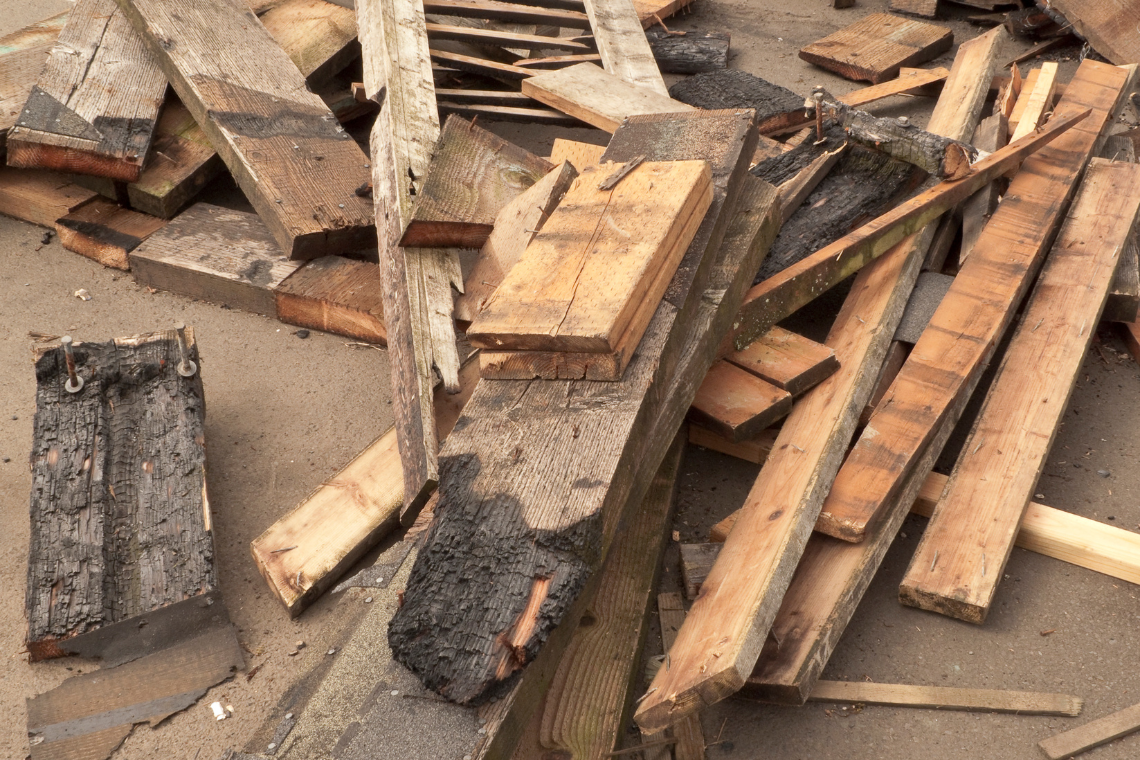
Myth 4: Wood Cannot Be Recycled
The truth: Real wood is not necessarily a single-use material. Depending on its condition and treatment, it can be reused in furniture and construction, or processed into products such as plywood and composite wood panels.
Wood waste and sawdust may also be used for biomass energy where appropriate facilities and responsible practices are available.
In construction and interior design, recovering timber from old buildings and reusing manufacturing offcuts can support a circular economy by reducing waste and demand for virgin resources. Reuse is often especially valuable because it extends the life of the original material.

Why Does Sustainable Real Wood Matter for the Future?
Responsibly sourced wood can offer several environmental and social benefits:
- Carbon storage: Wood stores some of the carbon absorbed by trees during growth throughout the product's service life.
- Potentially lower manufacturing energy: Some wood products require less energy to manufacture than certain alternatives, depending on the product and production process.
- Renewable resources: Well-managed plantations and forests can provide a renewable supply of timber.
- Circular use: Wood can often be repaired, reused, or recycled, helping reduce waste and demand for new materials.
- Community livelihoods: Responsible plantation forestry and timber production can create employment and income opportunities for local communities.
These benefits depend on responsible sourcing, efficient production, long service life, and appropriate end-of-life management.

It's Time to Rethink Real Wood
Choosing real wood does not have to come at the expense of nature. When we select responsibly sourced materials and support ethical producers, we can help encourage better resource management, reduce waste, and contribute to a more sustainable building industry.
Sustainable Real Wood Solutions by The Urban Wood
At The Urban Wood, we support thoughtful use of real wood through solutions designed to bring together natural beauty, practical performance, and considered design.
Guided by our philosophy, Real WoodSense Instyle, we offer real wood solutions for a wide range of projects, along with expert advice to help you select materials that suit your design, application, and sustainability goals.
Let's create beautiful spaces with real wood, responsibly chosen.
Contact our wood specialists for personalized advice on sustainable real wood solutions.
LINE: @urbanwood
Visit us: Urban WoodLab


