Woodworking & Design: The Art and Creativity of Crafting with Wood
Last updated: 4 Nov 2026 | 7247 Views |

Woodworking is an art and craft with a rich history spanning generations. From the past to the present, wood has served not only as a natural material for practical use but also as a reflection of the culture, values, and creative ideas of each era. This makes wood design an essential part of enhancing the quality, functionality, and aesthetic appeal of the wooden products we use in everyday life.
Why Is Wood Important in Design?
- Natural Beauty & Warmth – As a natural material, wood brings warmth and a relaxing atmosphere to a wide range of spaces.
- Strength & Durability – Wood offers structural strength, good load-bearing capabilities, and the potential for long-lasting use when properly selected and maintained.
- Design Versatility – Wood can be incorporated into countless design applications, from furniture and decorative objects to architectural structures.
- Environmental Benefits – Responsibly sourced wood can be reused and, when managed sustainably, may have a lower environmental impact than certain alternative materials, such as metals or plastics.
- Character & Uniqueness – Every piece of wood has its own distinctive grain patterns and color variations, giving each design a unique identity.
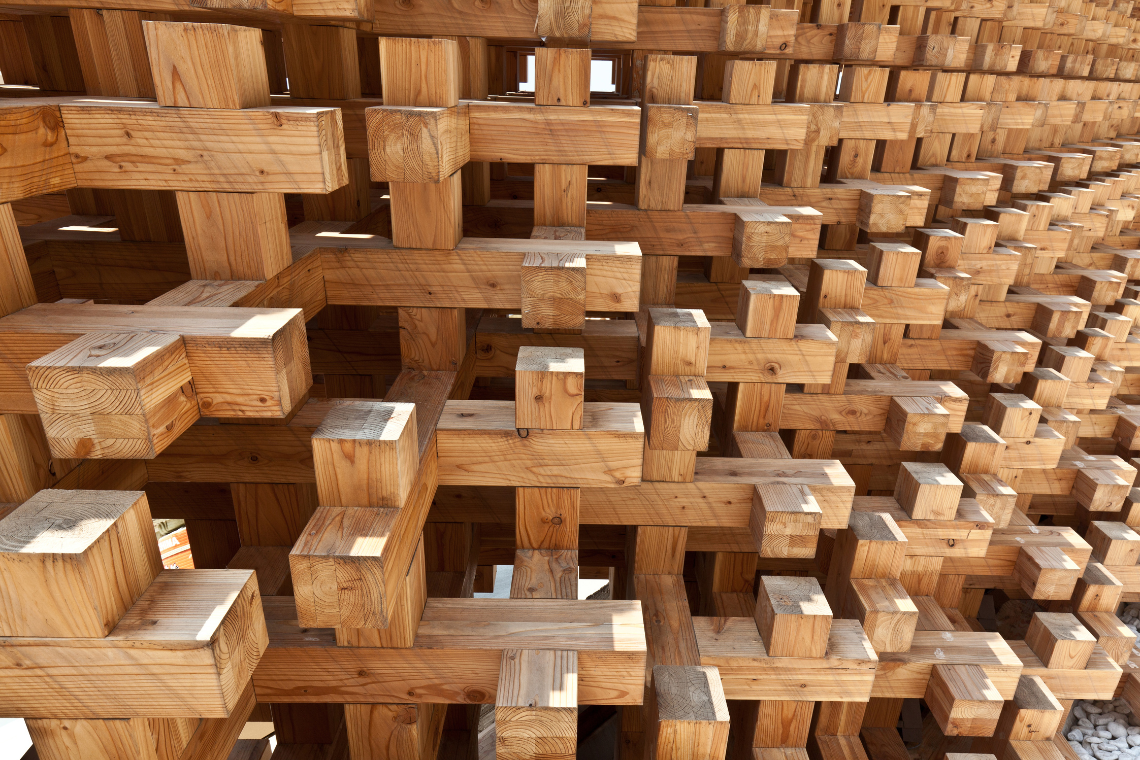
The Role of Woodworking in Design
Wood is widely used across architecture, furniture making, and interior decoration. Its strength, durability, and versatility allow designers to shape it into a wide variety of forms and applications.
Beyond its functional qualities, wood brings a natural sense of warmth and comfort to a space. Its organic textures and timeless appeal make it a material that works beautifully across different design styles, while responsibly sourced timber can also support more environmentally conscious design choices.
Sustainability in Wood Design
Sustainability plays an increasingly important role in modern woodworking and design. There are several ways designers and manufacturers can make better use of wood while reducing environmental impact.
- Using Responsibly Sourced Timber – Choosing wood from sustainably managed plantations or timber certified by recognized environmental organizations can help reduce pressure on natural forests.
- Reusing Reclaimed Wood – Old furniture and unused timber structures can be repurposed into new products, helping reduce waste and the demand for newly harvested resources.
- Designing to Minimize Waste – Thoughtful cutting layouts and efficient assembly techniques help reduce offcuts and make better use of raw materials during production.
- Choosing More Environmentally Conscious Finishes – Selecting wood stains and surface coatings with lower levels of harmful substances can help reduce potential impacts on indoor air quality and the environment.
- Designing for Longevity – Creating durable products that are easy to maintain and repair helps extend their service life, reduce waste, and encourage long-term use.
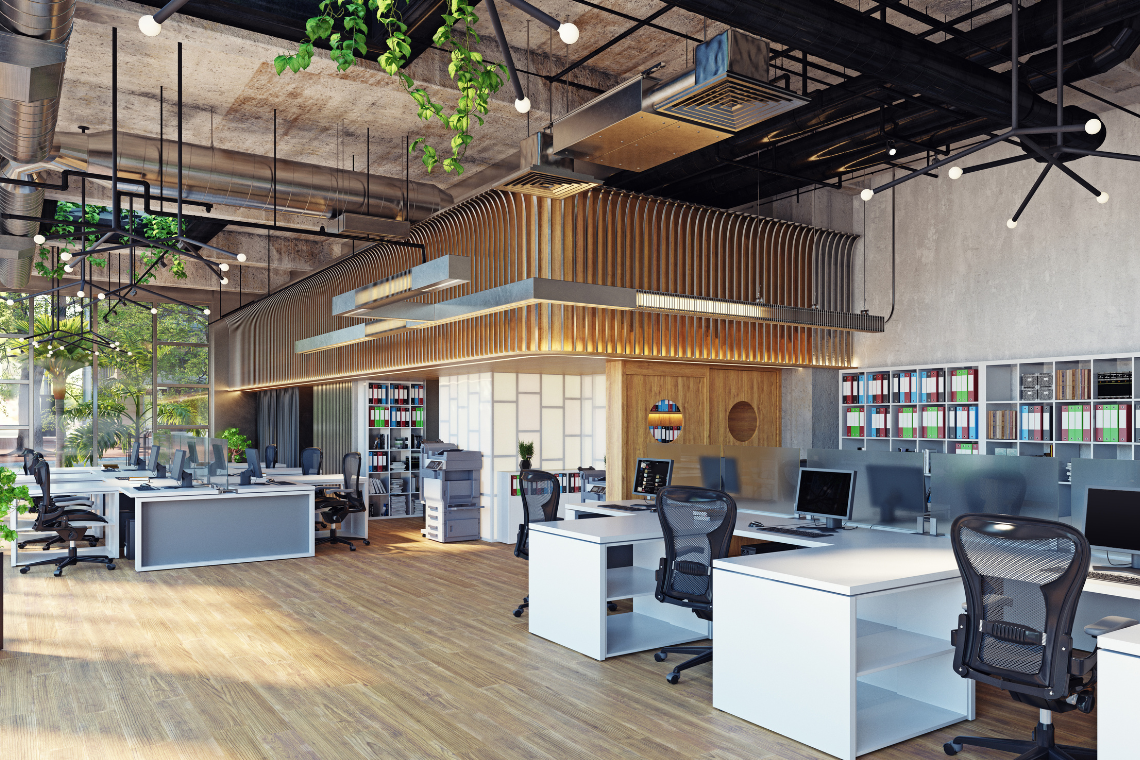
The Future of Woodworking & Design
Today, woodworking is increasingly shaped by sustainability and environmentally conscious design. Reclaimed timber and wood from responsibly managed plantations are becoming more widely used. At the same time, technologies such as CNC machining and 3D printing are helping designers achieve greater precision and explore new creative possibilities.
Woodworking is more than a profession or an art form. It is a design discipline that brings together creativity, craftsmanship, and technical skill. Thoughtful wood design can unlock the full potential of natural materials, adding value to each piece while allowing people to experience the beauty of nature in their everyday lives.


