Save Energy and Protect the Planet with Wood Roofing
Last updated: 4 Nov 2026 | 4959 Views |
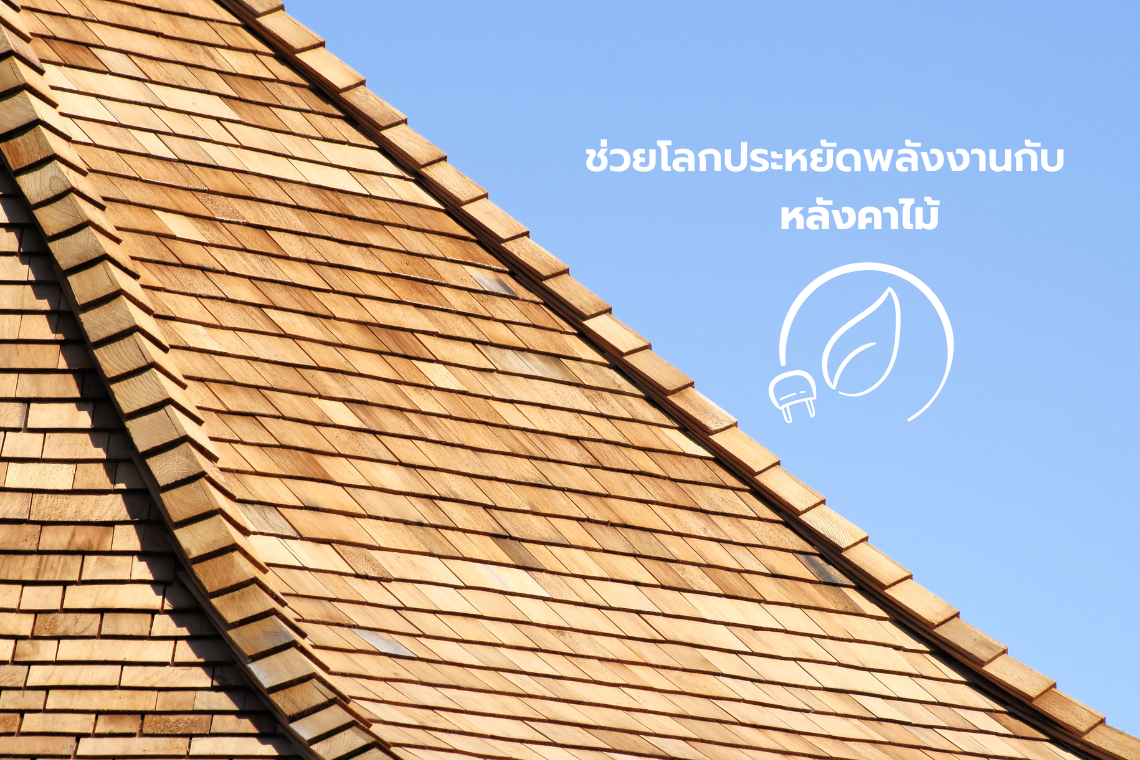
As energy efficiency and environmental sustainability become increasingly important, the choice of building materials plays a significant role in reducing energy consumption. One option that combines natural beauty with sustainable design is wood roofing. Thanks to wood's distinctive thermal properties, it can help limit heat transfer and contribute to a more energy-efficient home when incorporated into a well-designed roofing system.
1. Wood Roofing as a Natural Insulator
Wood is a natural insulating material that can help slow the transfer of heat from sunlight into a building. When used as part of a properly designed roof assembly, it can help maintain more comfortable indoor temperatures and reduce reliance on air conditioning, potentially lowering electricity consumption and energy costs over time.
Wood generally has lower thermal conductivity than materials such as concrete and metal, meaning it transfers heat more slowly. It also has sound-absorbing properties that can contribute to a quieter indoor environment when combined with suitable roofing and insulation systems.
2. Better Ventilation Helps Reduce Heat Build-Up
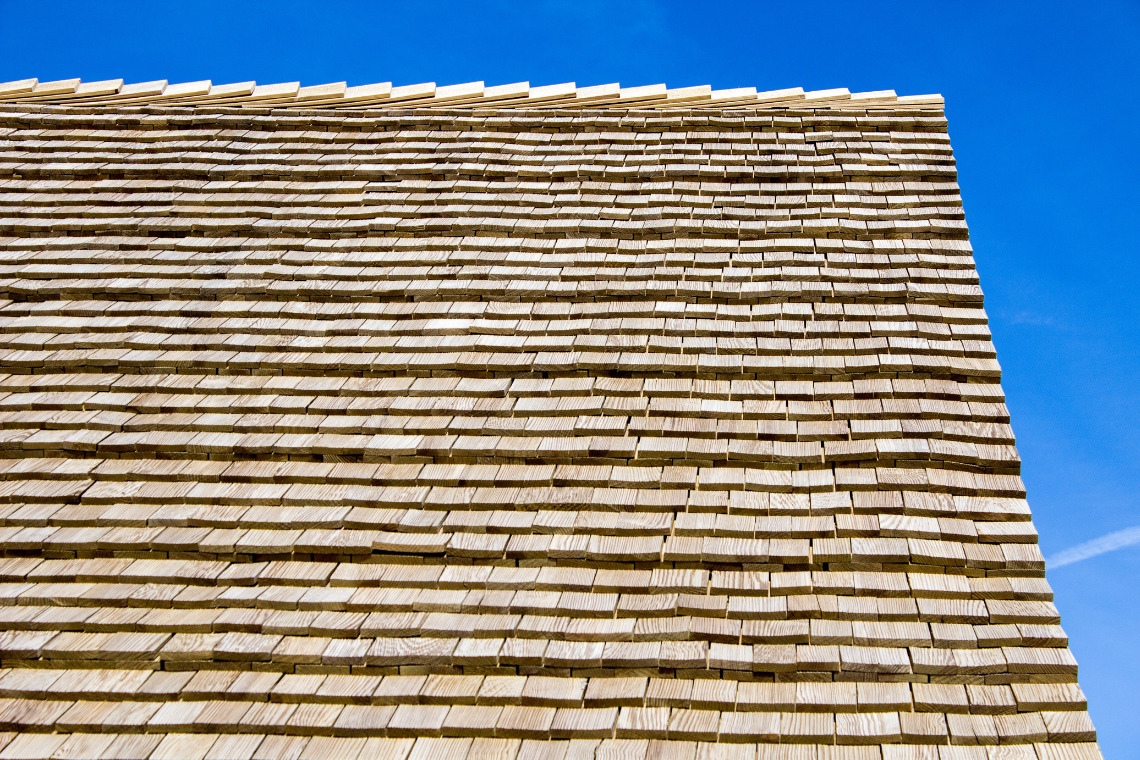
A well-designed wood roofing system can incorporate ventilation spaces that allow hot air to escape from beneath the roof. This helps reduce heat accumulation in the roof cavity and can make indoor spaces more comfortable, potentially reducing the need for cooling appliances such as fans and air conditioners.
Certain wood species, including cedar, and natural materials such as bamboo have moisture-related properties that can support moisture management when used appropriately. However, effective roof ventilation, waterproofing, and protective treatments remain essential to help prevent condensation, mold growth, and premature material deterioration.
3. An Environmentally Considered Building Material
Wood used for roofing can come from renewable sources, including responsibly managed plantations. Species such as pine, bamboo, and cedar can be suitable options depending on the application and local conditions.
Compared with energy-intensive materials such as concrete and metal, responsibly sourced wood may offer a lower environmental footprint, depending on its processing, transportation, treatment, and service life.
Choosing wood certified by recognized forest certification organizations, such as FSC (Forest Stewardship Council) or PEFC (Programme for the Endorsement of Forest Certification), can also help ensure that timber comes from responsibly managed sources that consider environmental and social impacts.
4. Long Service Life and Long-Term Value
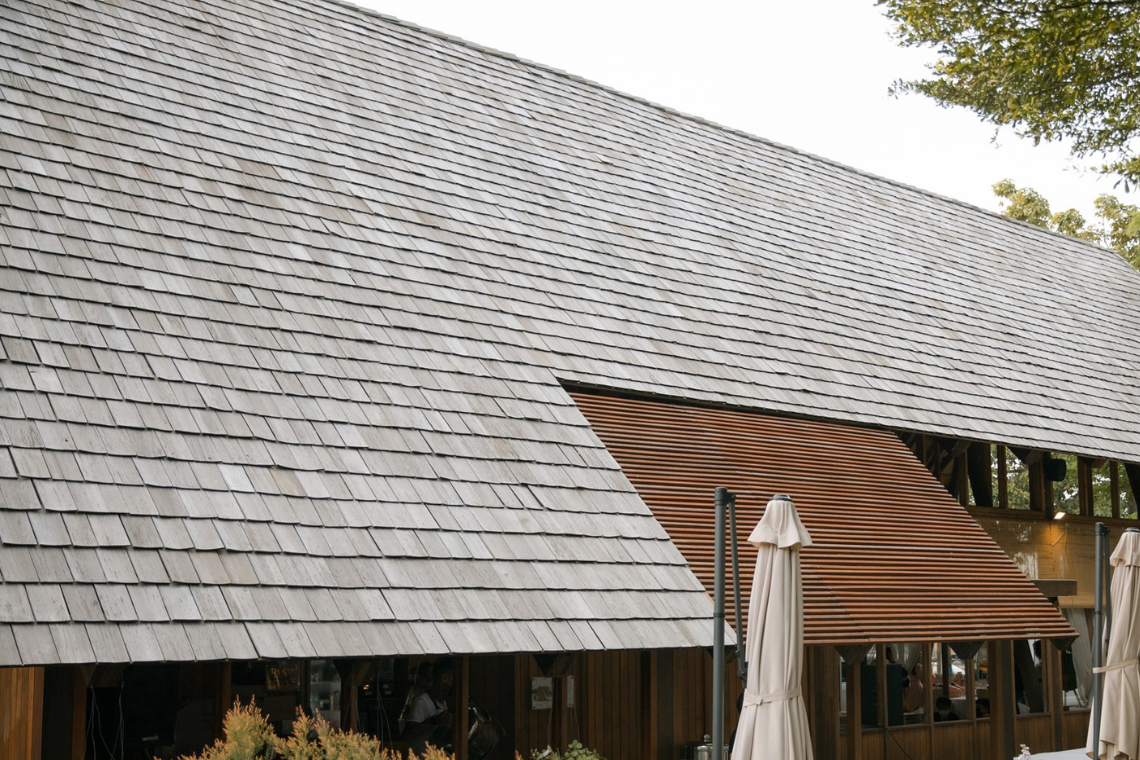
With proper installation, suitable protective treatments, and regular maintenance, wood roofing can last for decades. A long service life helps reduce the need for frequent replacement, minimizing construction waste and the environmental impact associated with producing and installing new materials.
Cedar roofing is particularly valued for its natural oils and extractives, which can help improve resistance to certain insects and decay. Combined with appropriate maintenance, these natural characteristics can contribute to the roof's durability and long-term performance.
5. Helping Reduce Carbon Emissions (CO₂)

Producing conventional building materials such as concrete and steel can require substantial energy and generate significant greenhouse gas emissions. Wood, on the other hand, stores carbon absorbed by trees as they grow. This stored carbon remains within the timber for the duration of its service life.
Using wood roofing sourced from responsibly managed forests can therefore contribute to lower embodied carbon compared with certain alternative materials. The overall environmental benefit depends on factors such as forest regeneration, manufacturing processes, transportation, maintenance, and end-of-life disposal or reuse.
6. Supporting Efforts to Reduce the Urban Heat Island Effect

The Urban Heat Island Effect occurs when urban areas become warmer than surrounding rural areas, partly because buildings and paved surfaces absorb and retain heat. Materials such as concrete and metal can contribute to this effect depending on their surface properties and how they are used.
Wood's relatively low thermal conductivity can help limit heat transfer through building components. When combined with appropriate roof design, ventilation, and insulation, wood roofing can contribute to more comfortable indoor conditions and support broader energy-efficiency efforts. Its impact on outdoor urban temperatures, however, depends on the overall design and scale of its application.
Wood roofing is an appealing option for those who want to combine architectural beauty with more energy-conscious building design. With its natural insulating properties, renewable sourcing potential, and ability to store carbon, wood can play a valuable role in creating more sustainable homes when responsibly selected and properly installed.
If you are looking for a roofing material that brings natural character to your home while supporting energy efficiency and responsible resource use, wood roofing is a choice worth considering.
For more information or to request a sample, contact us:
LINE: @urbanwood
Phone: 02-0966535
#EnergyEfficiency #EcoFriendlyLiving #WoodRoofing #SustainableArchitecture #SustainableBuilding


