Wood and Sustainability: A Natural Resource for a Sustainable Future
Last updated: 4 Nov 2026 | 6346 Views |
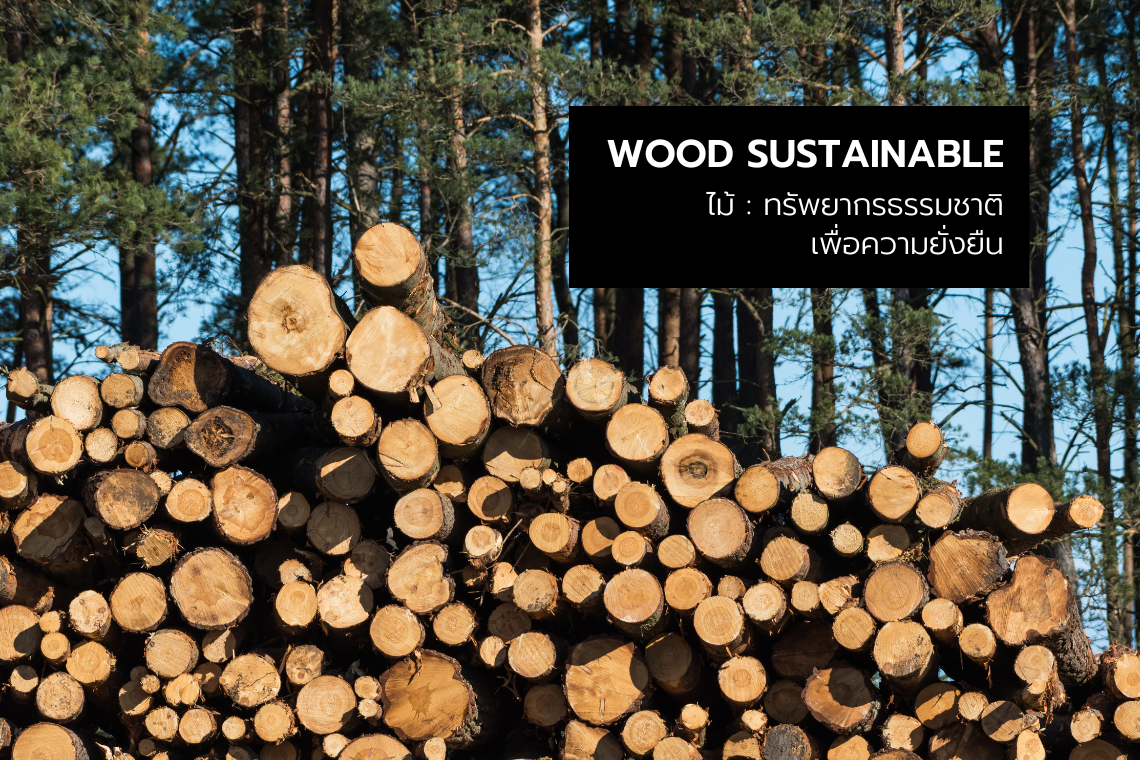
Wood has long played an important role in both the environment and the global economy. Beyond its widespread use in construction, furniture, and everyday products, woodlands and forests are essential to maintaining ecological balance. When responsibly managed and used, wood can be a renewable material that supports sustainable development and helps reduce environmental impact.
The Environmental Value of Wood
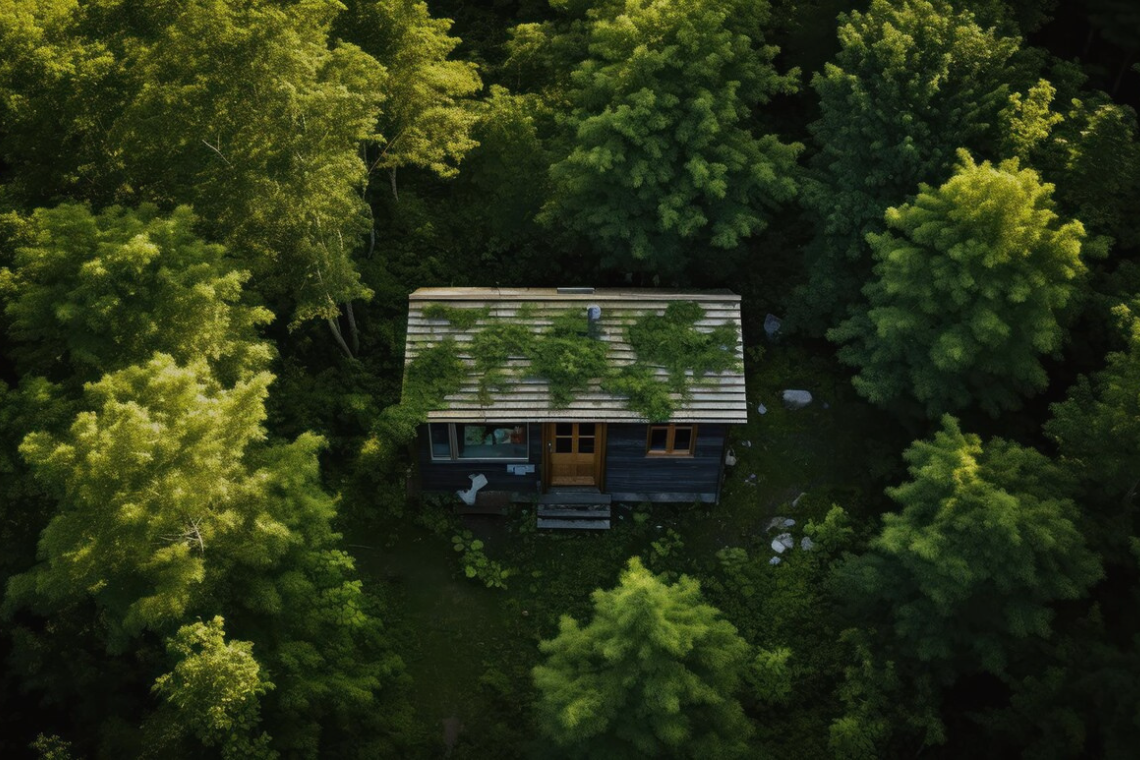
Absorbing Carbon Dioxide
Trees absorb carbon dioxide from the atmosphere through photosynthesis, helping to capture carbon and regulate greenhouse gas concentrations. Forest conservation and responsible forest management therefore play an important role in addressing climate change.
Providing Habitats for Wildlife
Forests provide essential habitats for a wide variety of plant and animal species, supporting biodiversity and ecological balance. Deforestation can destroy these habitats and increase the risk of species decline and extinction.
Preventing Soil Erosion
Tree root systems help stabilize soil, reducing erosion and the risk of landslides. This is particularly important in steep and vulnerable landscapes.
Maintaining the Water Cycle
Forests help regulate the water cycle by absorbing and storing water, supporting natural watersheds, and filtering water as it moves through the ecosystem. Healthy forests can also help reduce the impacts of flooding and drought.
Producing Oxygen
Through photosynthesis, trees release oxygen into the atmosphere, contributing to the natural processes that sustain life on Earth.
Wood as a Sustainable Resource

1. Sustainable Forest Management
For wood to remain a viable resource for future generations, forests must be responsibly managed. This includes replanting and supporting forest regeneration, selecting trees for harvesting carefully, minimizing disruption to surrounding ecosystems, and protecting biodiversity. These practices help maintain healthy forests while allowing timber resources to be used over the long term.
2. Choosing Certified Wood
Several organizations provide certification systems that help identify wood sourced from responsibly managed forests. These certifications give consumers greater confidence when choosing wood products with verified environmental and social standards.
Two important certification systems include:
FSC (Forest Stewardship Council) An internationally recognized certification system promoting responsible forest management that considers environmental, social, and economic factors.
PEFC (Programme for the Endorsement of Forest Certification) An international framework that promotes sustainable forest management and the use of timber from responsibly managed sources.
3. Using Wood as an Alternative Material
Wood can serve as an alternative to materials such as concrete, steel, and plastic in suitable applications. Depending on how it is sourced, processed, transported, and used, choosing wood may help reduce the environmental footprint of construction and manufacturing. Examples include prefabricated timber buildings and energy-efficient wooden homes.
4. Recycling and Reusing Wood
Wood products can often be reused or recycled after their initial purpose has been fulfilled. Examples include:
- Repurposing old timber into furniture: Reclaimed wood and wooden pallets can be transformed into tables, chairs, and other decorative pieces.
- Turning wood waste into wood-based panels: Wood residues can be processed into particleboard and other engineered panels for construction and furniture manufacturing.
- Using wood for biomass energy: Suitable wood residues can be used as biomass fuel to generate energy, potentially reducing reliance on fossil fuels when sourced and managed responsibly.
Modern Innovations in Sustainable Wood

Advances in wood technology and forest management continue to create new opportunities for more sustainable material use. Some notable developments include:
- Durability-enhanced wood: Products such as ThermoWood are heat-treated to improve dimensional stability and resistance to moisture-related deterioration, while also helping reduce susceptibility to certain insects and fungi.
- Biotechnology in forestry: Advances in biotechnology and tree breeding can help develop tree varieties with improved growth characteristics, strength, and other desirable physical properties, when applied with appropriate environmental safeguards.
- Cross-Laminated Timber (CLT): An engineered wood product made by bonding layers of timber at right angles. CLT offers high structural strength and can serve as an alternative to concrete and steel in certain building applications, potentially reducing a building's embodied carbon depending on the materials and design used.
Wood is a natural resource with significant potential to support a more sustainable future when responsibly managed. From forest regeneration and certified timber sourcing to recycling, reuse, and technological innovation, every stage of the wood lifecycle presents an opportunity to reduce environmental impact.
By recognizing the value of forests and making responsible choices about how wood is sourced and used, we can help preserve ecological balance and contribute to a more sustainable future for generations to come.


