Why Does Building a Home Contribute to Global Warming?
Last updated: 29 Oct 2026 | 4945 Views |

Many people see building a home as a personal matter that affects only the space within their own property. In reality, every stage of a building’s life—from material selection and transportation to daily use and end-of-life disposal—carries a carbon footprint.
These processes generate greenhouse gas emissions that accumulate in the atmosphere, trapping more heat and contributing to global warming.
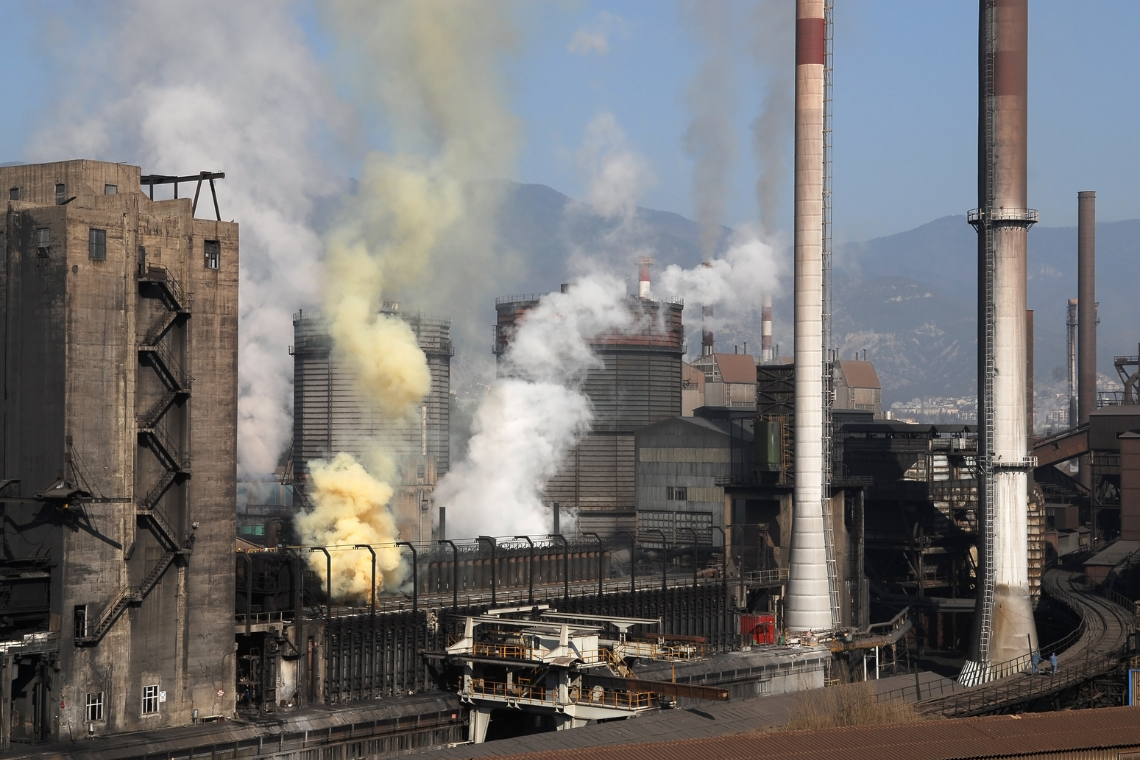
1. Building Materials Are a Major Source of Carbon Emissions
The materials used to construct a home can have a significant environmental impact.
- Cement: Producing cement releases carbon dioxide (CO₂) through the chemical reactions involved in processing limestone, as well as through the burning of fuels. Cement production accounts for a substantial share of global CO₂ emissions.
- Steel and aluminum: Manufacturing these metals requires large amounts of energy, often generated from fossil fuels, resulting in significant greenhouse gas emissions.
- Fired bricks and clay tiles: Kiln firing can consume considerable energy and release greenhouse gases and air pollutants, including fine particulate matter such as PM2.5.
- Timber from natural forests: Unsustainable logging can reduce forest cover and diminish the capacity of forests to absorb CO₂. Carbon stored in harvested wood may also return to the atmosphere through burning or decomposition.
2. Material Transportation Adds to the Carbon Footprint
Transporting construction materials from factories and suppliers to building sites also generates emissions.
- Heavy materials: Concrete and steel can require substantial transportation energy, contributing to emissions from fuel combustion, including CO₂ and nitrogen oxides (NOₓ).
- Long-distance delivery: Moving materials over long distances adds to their overall carbon footprint, making local availability, efficient logistics, and thoughtful material selection important considerations.
3. Building Performance and Service Life Matter
A building’s environmental impact continues long after construction is complete.
- Poor thermal performance: Homes with inadequate insulation or ineffective passive cooling strategies may require more energy for air conditioning or heating, increasing operational carbon emissions over time.
- Short-lived materials: Materials that deteriorate quickly may need frequent repairs or replacement. Manufacturing, transporting, and installing replacement materials generates additional emissions throughout the building’s life.
Choosing durable materials and designing for energy efficiency can help reduce these impacts over the long term.
4. Demolition and Construction Waste
The end of a building’s life also has environmental consequences.
- Construction and demolition waste: Waste from demolition and renovation may be sent to landfills, incinerated, or otherwise processed. These pathways can generate emissions and, in some cases, release harmful pollutants.
- Landfill disposal: Organic waste, including some wood products, can generate methane (CH₄) when it decomposes under oxygen-poor conditions. Methane is a potent greenhouse gas.
Designing for durability, reuse, recycling, and responsible waste management can help reduce the environmental burden of construction.

5. The Bigger Picture: Construction and Global Warming
The built environment accounts for a substantial share of global greenhouse gas emissions. These emissions arise from both the production of construction materials and the energy consumed when buildings are occupied.
The resulting climate impacts include rising global temperatures, melting ice, sea-level rise, and more frequent or intense extreme weather events in many regions.
Reducing emissions from buildings therefore requires a whole-life approach—from material sourcing and construction to energy use, maintenance, and eventual reuse or disposal.
6. How Construction Choices Affect the Natural Environment
Beyond carbon emissions, building practices can influence ecosystems, water management, and natural resources.
High-Emission Manufacturing Processes
Producing materials such as cement, steel, and fired bricks can require high temperatures and substantial energy. When fossil fuels are used, these processes release greenhouse gases that contribute to climate change and can also generate air pollution.
As the climate changes, communities face growing risks from extreme weather, including intense rainfall, storms, and severe droughts.
Materials That Limit Water Infiltration
Covering large urban areas with concrete and asphalt can prevent rainwater from soaking naturally into the ground. This increases surface runoff and can place additional pressure on drainage systems, contributing to localized flooding.
Thoughtful landscape planning, permeable surfaces, and green spaces can help improve stormwater management.
Materials That Deplete Natural Resources
Unsustainable harvesting of timber from natural forests can contribute to forest degradation, habitat loss, and reduced soil stability. When vegetation is removed, the risk of erosion and certain types of landslides or runoff-related damage may increase.
Choosing responsibly sourced materials helps support better resource management and encourages more sustainable building practices.
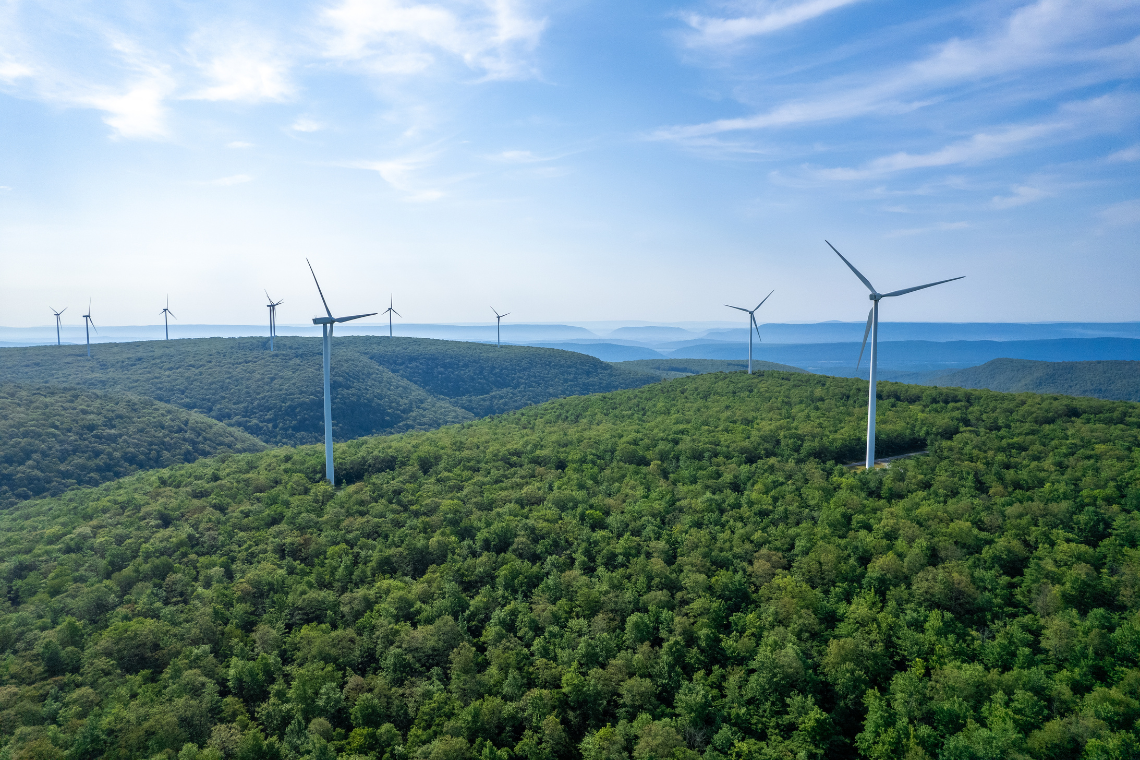
7. The Solution: Building a Home That Is Kinder to the Planet
More sustainable homes begin with informed decisions at every stage of the design and construction process.
- Choose lower-carbon materials: Consider responsibly sourced timber, bamboo, recycled steel, and concrete alternatives that incorporate supplementary cementitious materials, where suitable for the application.
- Improve thermal performance: Select appropriate materials and building systems that help reduce heat gain and support indoor comfort. Timber finishes can contribute to a design, but their thermal performance depends on the complete wall, roof, and insulation assembly.
- Design for energy efficiency: Incorporate insulation, natural daylight, effective ventilation, shading, and passive cooling strategies to reduce operational energy demand.
- Prioritize durability: Choose materials suited to their environment and intended use to reduce premature deterioration, repairs, and replacement.
- Plan for reuse and recycling: Select materials and construction methods that support longer service life, repair, disassembly, and responsible end-of-life management.

A Home Should Not Come at the Expense of the Planet
Choose real wood with the planet in mind. Choose The Urban Wood.
Selecting building materials is about more than aesthetics. It is also a decision about the kind of future we want to create and share with the planet.
The Urban Wood offers real wood and alternative wood solutions designed to bring together thoughtful design, durability, and sustainability. When responsibly sourced and used appropriately, these materials can contribute to more considered building choices.
- Responsibly sourced materials: Choose wood from responsibly managed sources rather than contributing to the depletion of natural forests.
- Carbon stored in wood: Timber stores biogenic carbon absorbed during tree growth, retaining some of that carbon throughout the product’s service life.
- Long-lasting value: Durable materials that are properly maintained and reused where possible can help reduce waste and the need for replacement products.
Sustainable Wood Solutions from The Urban Wood
INNO+ WOOD
An innovative real wood solution designed to combine natural beauty with enhanced material performance. Its durability and dimensional stability are intended to support long-term use in suitable applications, potentially reducing the need for frequent replacement.
Bamboo Bliss
Made from bamboo, a rapidly renewable resource, Bamboo Bliss offers a contemporary material option for design-conscious projects. Its overall environmental impact depends on manufacturing processes, transportation, adhesives, service life, and end-of-life management.
Real Wood Ceiling
Real wood ceilings bring warmth, natural texture, and understated luxury to interior spaces. Wood also stores biogenic carbon, while the overall energy performance of a ceiling depends on the complete building assembly, including insulation and ventilation.
Every material is selected to support homes that are both beautifully designed and mindful of the environment.
At The Urban Wood, we believe “Real WoodSense Instyle” represents a thoughtful approach to design—one that considers both the people who live in a space and the planet we all share.
Consult Our Wood Specialists | Book a Visit to Urban WoodLab
LINE: @urbanwood
Tel: 02-0966535
Related content


